

 Homepage
  Calendar
  Collector's characteristics
  History of Mineralienatlas
  Howto sponsor
  Our sponsores
  Search term inside Encyclopedia
  Full-text search
  Mineral by property
  Mineral by chemistry
  Help and how it works
  Mining
  Localities
  Geology (Rocks)
  Mineralogy (Minerals)
  Palaeontoloy (Fossils)
  Literature and Books
  Equipment and tools
  Portraits
  Encyclopedia pathes
  Media gallery
  Image reel
  User image galleries
  Images of the day
  Best of Images
  Newest forum contributions





1.320 Gäste, 0 Mitglieder
Derzeit sind keine Benutzer im Chat
06. Apr. - Tatort Franken – Das steinerne Grab der Riesenlurche
10. Apr. - Mineralienbörse im Lausitz-Center in Hoyerswerda
11. Apr. - Mineralienbörse im Lausitz-Center in Hoyerswerda
11. Apr. - 23. Mineralien-INFO im Ahrntal - Südtirol
11. Apr. - Mineralien.- und Fossilienbörse Rosenheim - Auer Festhalle
12. Apr. - 31. Mineralien- und Fossiliensammlerbörse Eggenburg / AT
12. Apr. - Mineralienbörse Herborn-Merkenbach
17. Apr. - GERA: Bildvortrag „Der Einfluss Preußens auf den Bergbau im
19. Apr. - 25. Bayerwald-Mineralienbörse Bad Kötzting, DE
26. Apr. - 34. Mineralien- und Fossilienbörse Arnsberg-Müschede, DE
09. May - 77. Internationale Mineralienbörse in Freiberg/Sachsen
09. May - 50. Mineralien- & Fossilienbörse “MINERANT2026” - Golden
09. May - 43. Aschaffenburger Mineralienbörse
10. Apr. - Mineralienbörse im Lausitz-Center in Hoyerswerda
11. Apr. - Mineralienbörse im Lausitz-Center in Hoyerswerda
11. Apr. - 23. Mineralien-INFO im Ahrntal - Südtirol
11. Apr. - Mineralien.- und Fossilienbörse Rosenheim - Auer Festhalle
12. Apr. - 31. Mineralien- und Fossiliensammlerbörse Eggenburg / AT
12. Apr. - Mineralienbörse Herborn-Merkenbach
17. Apr. - GERA: Bildvortrag „Der Einfluss Preußens auf den Bergbau im
19. Apr. - 25. Bayerwald-Mineralienbörse Bad Kötzting, DE
26. Apr. - 34. Mineralien- und Fossilienbörse Arnsberg-Müschede, DE
09. May - 77. Internationale Mineralienbörse in Freiberg/Sachsen
09. May - 50. Mineralien- & Fossilienbörse “MINERANT2026” - Golden
09. May - 43. Aschaffenburger Mineralienbörse

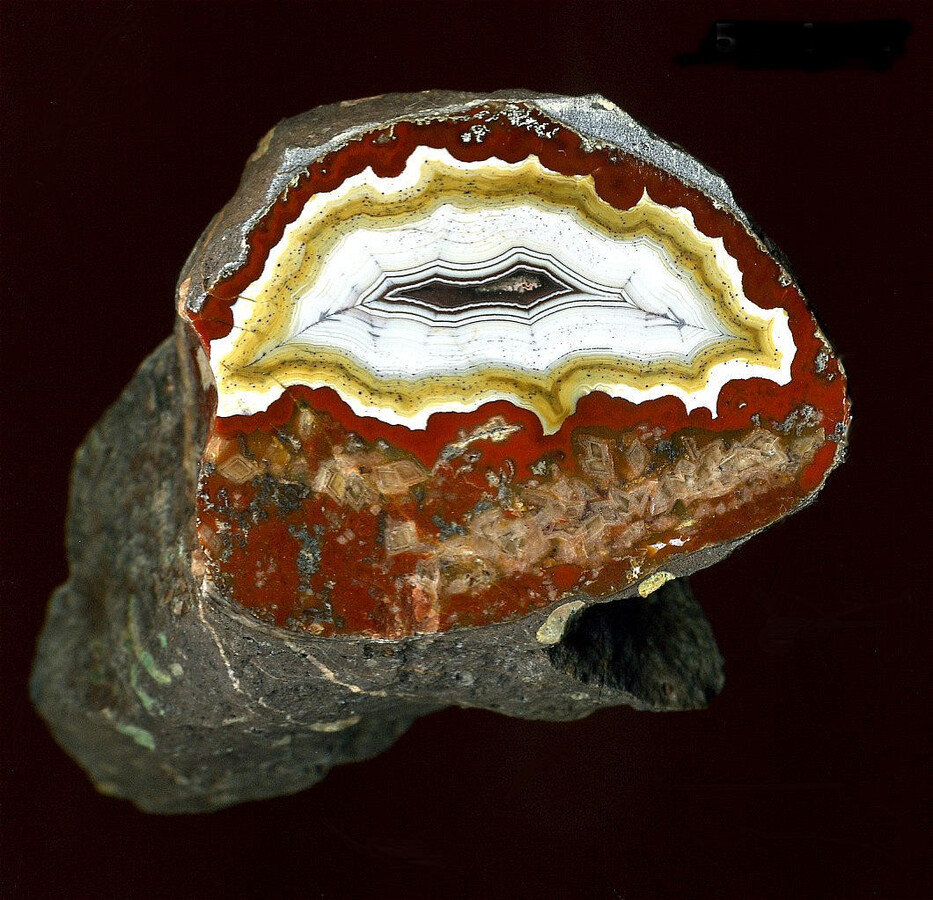
06. Apr. - Tatort Franken – Das steinerne Grab der Riesenlurche
10. Apr. - Mineralienbörse im Lausitz-Center in Hoyerswerda
11. Apr. - Mineralienbörse im Lausitz-Center in Hoyerswerda
11. Apr. - 23. Mineralien-INFO im Ahrntal - Südtirol
11. Apr. - Mineralien.- und Fossilienbörse Rosenheim - Auer Festhalle
12. Apr. - 31. Mineralien- und Fossiliensammlerbörse Eggenburg / AT
12. Apr. - Mineralienbörse Herborn-Merkenbach
17. Apr. - GERA: Bildvortrag „Der Einfluss Preußens auf den Bergbau im
19. Apr. - 25. Bayerwald-Mineralienbörse Bad Kötzting, DE
26. Apr. - 34. Mineralien- und Fossilienbörse Arnsberg-Müschede, DE
09. May - 77. Internationale Mineralienbörse in Freiberg/Sachsen
09. May - 50. Mineralien- & Fossilienbörse “MINERANT2026” - Golden
09. May - 43. Aschaffenburger Mineralienbörse
10. Apr. - Mineralienbörse im Lausitz-Center in Hoyerswerda
11. Apr. - Mineralienbörse im Lausitz-Center in Hoyerswerda
11. Apr. - 23. Mineralien-INFO im Ahrntal - Südtirol
11. Apr. - Mineralien.- und Fossilienbörse Rosenheim - Auer Festhalle
12. Apr. - 31. Mineralien- und Fossiliensammlerbörse Eggenburg / AT
12. Apr. - Mineralienbörse Herborn-Merkenbach
17. Apr. - GERA: Bildvortrag „Der Einfluss Preußens auf den Bergbau im
19. Apr. - 25. Bayerwald-Mineralienbörse Bad Kötzting, DE
26. Apr. - 34. Mineralien- und Fossilienbörse Arnsberg-Müschede, DE
09. May - 77. Internationale Mineralienbörse in Freiberg/Sachsen
09. May - 50. Mineralien- & Fossilienbörse “MINERANT2026” - Golden
09. May - 43. Aschaffenburger Mineralienbörse
 Imprint
 Data protection clause
 Our team

To complete our information constantly, we need your support. With us, everyone can and should participate. Currently Mineralienatlas is used and expanded by 10533 members. Every month hundreds of thousands of visitors use our website as an information source.

| Die Fluoreszenz wurde zum ersten Mal beim Fluorit - einem Calcium-Fluorid - beobachtet (daher auch die Bezeichnung). Fluoreszenz beginnt sofort mit der Anregung durch die Lichtquelle und endet auch mit ihr (im Gegensatz dazu ist Phosphoreszenz ein Nachleuchten). Unter Tageslicht-Fluoreszenz versteht ... moreDie Fluoreszenz wurde zum ersten Mal beim Fluorit - einem Calcium-Fluorid - beobachtet (daher auch die Bezeichnung). Fluoreszenz beginnt sofort mit der Anregung durch die Lichtquelle und endet auch mit ihr (im Gegensatz dazu ist Phosphoreszenz ein Nachleuchten). Unter Tageslicht-Fluoreszenz versteht man eine Fluoreszenz, die durch den UV-Anteil im natürlichen Licht verursacht wird und z.B. manche Fluorite unter natürlichem bzw. künstlichen Licht andersfarbig erscheinen lässt. |
| People have always been fascinated by precious stones because of their lustre. But not only polished gems shine. Each raw mineral has, such as mica flakes in the river sand show, its very special characteristic luster. Gloss isn't simply measurable. It is usually described by comparison with objects ... morePeople have always been fascinated by precious stones because of their lustre. But not only polished gems shine. Each raw mineral has, such as mica flakes in the river sand show, its very special characteristic luster. Gloss isn't simply measurable. It is usually described by comparison with objects of everyday life ... (in german) |
| ... Wenn die Körner plattenförmige (laminae) Gestalt haben, so bezeichnet man diese Aggregate, je nach Größe, als schuppig oder blättrig (lamellar). Die individuellen Platten sind im Allgemeinen parallel, können aber auch um ein gemeinsames Zentrum gebogen sein und konzentrische Formen bilden. Wenn ... more... Wenn die Körner plattenförmige (laminae) Gestalt haben, so bezeichnet man diese Aggregate, je nach Größe, als schuppig oder blättrig (lamellar). Die individuellen Platten sind im Allgemeinen parallel, können aber auch um ein gemeinsames Zentrum gebogen sein und konzentrische Formen bilden. Wenn die Platten dünn und trennbar sind, bezeichnet man die Aggregate als blättrig oder schieferig. Wenn ein Mineral aus kleinen Schuppen besteht, wird es als glimmerartig bezeichnet. Beispiele: Calcit und Gips (rosettenartig), Glimmer (charakteristisch glimmerartig),Talk und manche Hämatitaggregate (schuppig) ... ein Beitrag von Perter Seroka |
| Rhodochrosit dürfte aufgrund seiner auffallend rosaroten Farbe zu den ältesten Schmucksteinen der alten Welt gehören, was u.a. durch archäologische Funde von Grabbeigaben in alten äygpischen Gräbern belegt ist. Ob dieses Mangancarbonat bewusst oder gezielt abgebaut wurde, ist nicht bekannt. Sicher i ... moreRhodochrosit dürfte aufgrund seiner auffallend rosaroten Farbe zu den ältesten Schmucksteinen der alten Welt gehören, was u.a. durch archäologische Funde von Grabbeigaben in alten äygpischen Gräbern belegt ist. Ob dieses Mangancarbonat bewusst oder gezielt abgebaut wurde, ist nicht bekannt. Sicher ist jedoch, dass die alten Ägypter Manganerze aus dolomitisierten Kalksteinen in der östlichen Wüste und auf der Halbinsel Sinai abbauten, wo mit Sicherheit auch Rhodochrosit vorkam und als Nebenprodukt zur Schmuckherstellung diente. |
| Der Devils Tower (auch Mateo Tepee oder Bear Lodge) ist eine freistehende markante, säulenförmige Felsformation aus porphyrischem Phonolith im Crook County, im Nordosten von Wyoming, nahe der Grenze zu South Dakota. Seine absolute Höhe (über NN) beträgt 1558 m, er überragt die umgebende Ebene auf ei ... moreDer Devils Tower (auch Mateo Tepee oder Bear Lodge) ist eine freistehende markante, säulenförmige Felsformation aus porphyrischem Phonolith im Crook County, im Nordosten von Wyoming, nahe der Grenze zu South Dakota. Seine absolute Höhe (über NN) beträgt 1558 m, er überragt die umgebende Ebene auf einem Sockel von Sedimentgesteinen um etwa 264 m. Seine Basis besitzt einen Durchmesser von ungefähr 300 m, am abgeflachten Gipfelbereich beträgt dieser etwa 120 m. |