

 Homepage
  Calendar
  Collector's characteristics
  History of Mineralienatlas
  Howto sponsor
  Our sponsores
  Search term inside Encyclopedia
  Full-text search
  Mineral by property
  Mineral by chemistry
  Help and how it works
  Mining
  Localities
  Geology (Rocks)
  Mineralogy (Minerals)
  Palaeontoloy (Fossils)
  Literature and Books
  Equipment and tools
  Portraits
  Encyclopedia pathes
  Media gallery
  Image reel
  User image galleries
  Images of the day
  Best of Images
  Newest forum contributions




Derzeit sind keine Benutzer im Chat

13. May - Micromount-Umlauf: Mineralien aus Pakistan
17. May - Gera, Museum für Naturkunde: Ausstellungseröffnung
21. May - 29. Internationale Jahrestagung GeoTop der Fachsektion Geoto
06. June - GERA: „Mineralientreff im Juni“
07. June - 4. Fest der edlen Steine im Rittergut Trebsen/Sachsen
13. June - Mineralienbörse in Knittelfeld
14. June - Mineralienbörse im Findlingspark Nochten
21. June - Mineralienbörse
17. May - Gera, Museum für Naturkunde: Ausstellungseröffnung
21. May - 29. Internationale Jahrestagung GeoTop der Fachsektion Geoto
06. June - GERA: „Mineralientreff im Juni“
07. June - 4. Fest der edlen Steine im Rittergut Trebsen/Sachsen
13. June - Mineralienbörse in Knittelfeld
14. June - Mineralienbörse im Findlingspark Nochten
21. June - Mineralienbörse

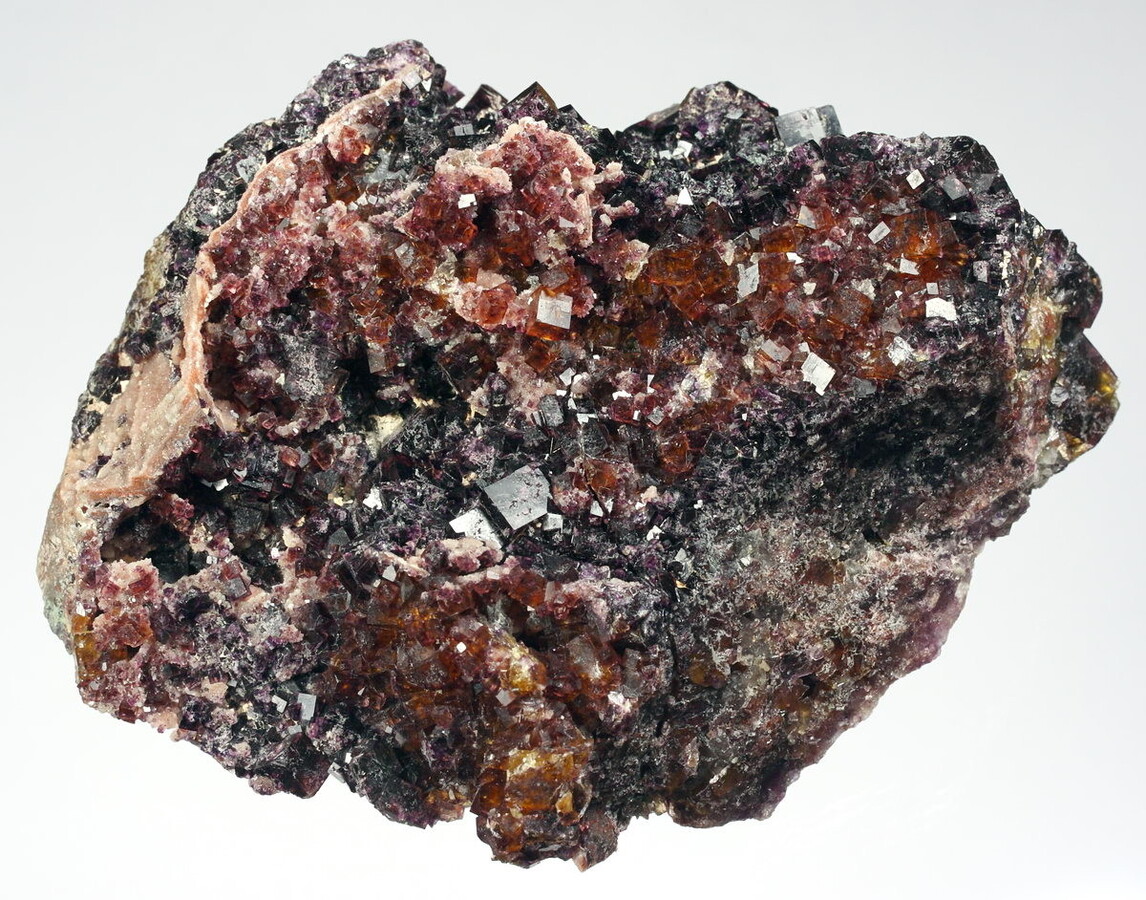
13. May - Micromount-Umlauf: Mineralien aus Pakistan
17. May - Gera, Museum für Naturkunde: Ausstellungseröffnung
21. May - 29. Internationale Jahrestagung GeoTop der Fachsektion Geoto
06. June - GERA: „Mineralientreff im Juni“
07. June - 4. Fest der edlen Steine im Rittergut Trebsen/Sachsen
13. June - Mineralienbörse in Knittelfeld
14. June - Mineralienbörse im Findlingspark Nochten
21. June - Mineralienbörse
17. May - Gera, Museum für Naturkunde: Ausstellungseröffnung
21. May - 29. Internationale Jahrestagung GeoTop der Fachsektion Geoto
06. June - GERA: „Mineralientreff im Juni“
07. June - 4. Fest der edlen Steine im Rittergut Trebsen/Sachsen
13. June - Mineralienbörse in Knittelfeld
14. June - Mineralienbörse im Findlingspark Nochten
21. June - Mineralienbörse
 Imprint
 Data protection clause
 Our team

To complete our information constantly, we need your support. With us, everyone can and should participate. Currently Mineralienatlas is used and expanded by 10586 members. Every month hundreds of thousands of visitors use our website as an information source.

| Der Devils Tower (auch Mateo Tepee oder Bear Lodge) ist eine freistehende markante, säulenförmige Felsformation aus porphyrischem Phonolith im Crook County, im Nordosten von Wyoming, nahe der Grenze zu South Dakota. Seine absolute Höhe (über NN) beträgt 1558 m, er überragt die umgebende Ebene auf ei ... moreDer Devils Tower (auch Mateo Tepee oder Bear Lodge) ist eine freistehende markante, säulenförmige Felsformation aus porphyrischem Phonolith im Crook County, im Nordosten von Wyoming, nahe der Grenze zu South Dakota. Seine absolute Höhe (über NN) beträgt 1558 m, er überragt die umgebende Ebene auf einem Sockel von Sedimentgesteinen um etwa 264 m. Seine Basis besitzt einen Durchmesser von ungefähr 300 m, am abgeflachten Gipfelbereich beträgt dieser etwa 120 m. |
| Im Saarland ist der in Oberer, Mittlerer und Unterer Teil geteilte Buntsandstein, der frühesten Abteilung der Trias, nur mit den beiden jüngeren Stufen vertreten. Der Untere Buntsandstein ist nicht zu finden. In St. Arnual, am Ostabhang des Sonnenberges bei Saarbrücken, sind diese beiden Altersstufe ... moreIm Saarland ist der in Oberer, Mittlerer und Unterer Teil geteilte Buntsandstein, der frühesten Abteilung der Trias, nur mit den beiden jüngeren Stufen vertreten. Der Untere Buntsandstein ist nicht zu finden. In St. Arnual, am Ostabhang des Sonnenberges bei Saarbrücken, sind diese beiden Altersstufen eindrucksvoll aufgeschlossen. Folgt man den sogenannten Felsenwegen entlang der Saar, so erkennt man das Profil, einschließlich der Violetten Grenzzone, die die Trennung vom Mittleren zum Oberen Buntsandstein darstellt. |
| Die speziell auf die Bedürfnisse für Mineraliensammler abgestimmte Scurion 1500 mit UV Option wird primär in 2 Teilen und Zubehör geliefert. Auf der einen Seite der Lampenkopf mit Verbindungskabel und Durchführung für den Batteriekasten. Und dann der Batteriekasten, der in seiner geschwungen Form an ... moreDie speziell auf die Bedürfnisse für Mineraliensammler abgestimmte Scurion 1500 mit UV Option wird primär in 2 Teilen und Zubehör geliefert. Auf der einen Seite der Lampenkopf mit Verbindungskabel und Durchführung für den Batteriekasten. Und dann der Batteriekasten, der in seiner geschwungen Form an einen Flachmann erinnert. Zum Testen lag uns eine Version mit kurzem Kabel zur Befestigung von Lampenkopf und Batteriekasten am Helm vor. |