

 Homepage
  Calendar
  Collector's characteristics
  History of Mineralienatlas
  Howto sponsor
  Our sponsores
  Search term inside Encyclopedia
  Full-text search
  Mineral by property
  Mineral by chemistry
  Help and how it works
  Mining
  Localities
  Geology (Rocks)
  Mineralogy (Minerals)
  Palaeontoloy (Fossils)
  Literature and Books
  Equipment and tools
  Portraits
  Encyclopedia pathes
  Media gallery
  Image reel
  User image galleries
  Images of the day
  Best of Images
  Newest forum contributions




423 Gäste, 17 Mitglieder (1 Versteckte)
guefz, Kili, Otoites, Louise, hoppi, smaragd123, giantcrystal, DanielR, FF, Chroma, DocRock87, limestone, RoterFeuerstein, alfredo, helgesteen, blackforestmining2
guefz, Kili, Otoites, Louise, hoppi, smaragd123, giantcrystal, DanielR, FF, Chroma, DocRock87, limestone, RoterFeuerstein, alfredo, helgesteen, blackforestmining2
Derzeit sind keine Benutzer im Chat


13. May - Micromount-Umlauf: Mineralien aus Pakistan
17. May - Gera, Museum für Naturkunde: Ausstellungseröffnung
21. May - 29. Internationale Jahrestagung GeoTop der Fachsektion Geoto
06. June - GERA: „Mineralientreff im Juni“
07. June - 4. Fest der edlen Steine im Rittergut Trebsen/Sachsen
13. June - Mineralienbörse in Knittelfeld
14. June - Mineralienbörse im Findlingspark Nochten
21. June - Mineralienbörse
17. May - Gera, Museum für Naturkunde: Ausstellungseröffnung
21. May - 29. Internationale Jahrestagung GeoTop der Fachsektion Geoto
06. June - GERA: „Mineralientreff im Juni“
07. June - 4. Fest der edlen Steine im Rittergut Trebsen/Sachsen
13. June - Mineralienbörse in Knittelfeld
14. June - Mineralienbörse im Findlingspark Nochten
21. June - Mineralienbörse
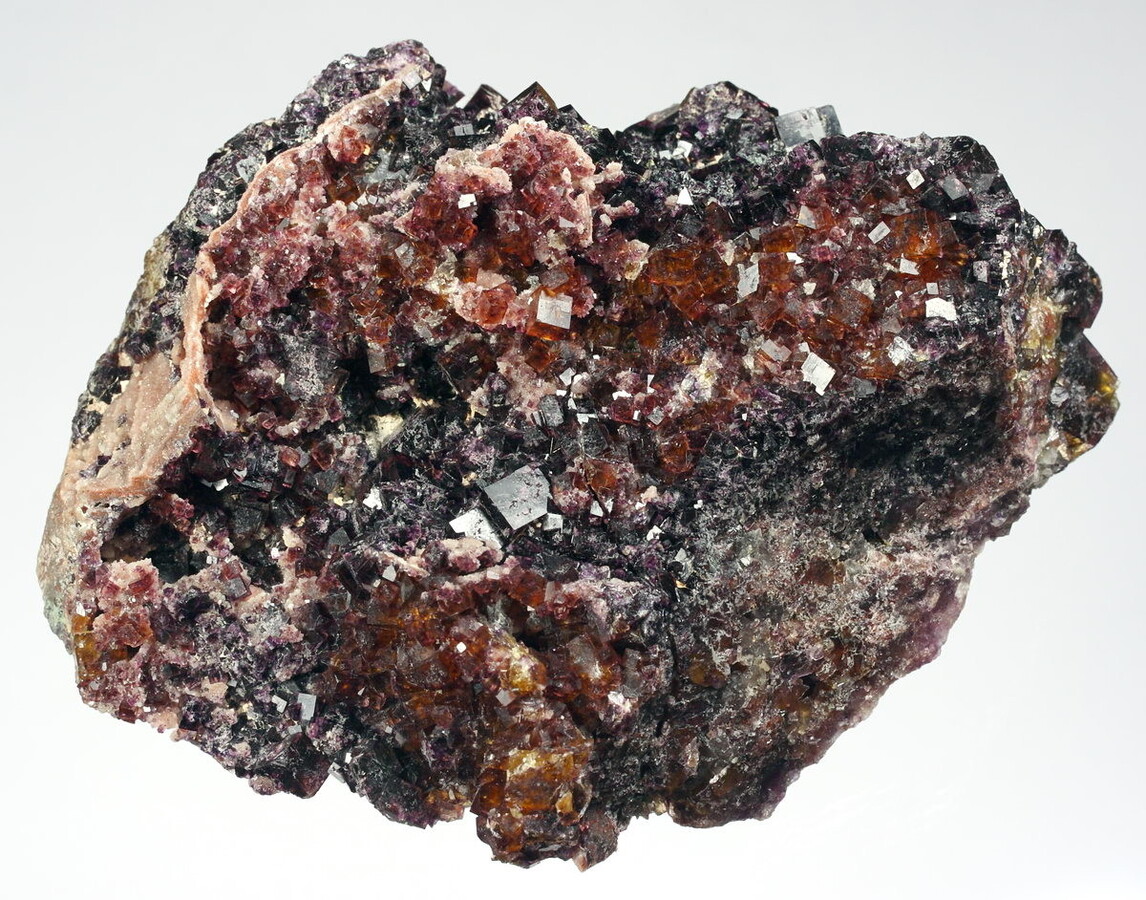
13. May - Micromount-Umlauf: Mineralien aus Pakistan
17. May - Gera, Museum für Naturkunde: Ausstellungseröffnung
21. May - 29. Internationale Jahrestagung GeoTop der Fachsektion Geoto
06. June - GERA: „Mineralientreff im Juni“
07. June - 4. Fest der edlen Steine im Rittergut Trebsen/Sachsen
13. June - Mineralienbörse in Knittelfeld
14. June - Mineralienbörse im Findlingspark Nochten
21. June - Mineralienbörse
17. May - Gera, Museum für Naturkunde: Ausstellungseröffnung
21. May - 29. Internationale Jahrestagung GeoTop der Fachsektion Geoto
06. June - GERA: „Mineralientreff im Juni“
07. June - 4. Fest der edlen Steine im Rittergut Trebsen/Sachsen
13. June - Mineralienbörse in Knittelfeld
14. June - Mineralienbörse im Findlingspark Nochten
21. June - Mineralienbörse
 Imprint
 Data protection clause
 Our team

To complete our information constantly, we need your support. With us, everyone can and should participate. Currently Mineralienatlas is used and expanded by 10586 members. Every month hundreds of thousands of visitors use our website as an information source.

| Actually, this is a picturesque place in a well-kept forest. Nevertheless, in the past, evil itself is said to have preached to the damned here from a large, solitary, towering rock spur. Today, the term Devil's Pulpit inspires one to play with associations, as do the drawings of agates found here. ... moreActually, this is a picturesque place in a well-kept forest. Nevertheless, in the past, evil itself is said to have preached to the damned here from a large, solitary, towering rock spur. Today, the term Devil's Pulpit inspires one to play with associations, as do the drawings of agates found here. Their fantastic outlines, coupled with the unusual shape of the secondary rock, evoke images in the viewer that he would not have suspected in a stone. And on the devil's pulpit no longer an evil demon is waiting for the agate collector, but other executive powers threatening with purgatory... a contribution by Klaus Schäfer and others (in german) |
| Das Mineral Epidot ist vom griechischen Wort "epidosis" abgeleitet, was "Zunahme" oder "Zugabe" bedeutet. Die Deutung als "Zunahme" spielt möglicherweise auf die stengelig zunehmende Kristallform des Minerals an. Die Interpretation als "Zugabe" könnte auf die Tatsache zurückzuführen sein, dass es de ... moreDas Mineral Epidot ist vom griechischen Wort "epidosis" abgeleitet, was "Zunahme" oder "Zugabe" bedeutet. Die Deutung als "Zunahme" spielt möglicherweise auf die stengelig zunehmende Kristallform des Minerals an. Die Interpretation als "Zugabe" könnte auf die Tatsache zurückzuführen sein, dass es dem französischen Mineralogen René HAÜY erstmals im Jahre 1801 gelang, die beiden Silikate Turmalin und Epidot eindeutig auseinanderzuhalten und somit den Epidot als eigenständiges Mineral neben Turmalin stellte... Ein Beitrag von Peter Seroka |
| Im Saarland ist der in Oberer, Mittlerer und Unterer Teil geteilte Buntsandstein, der frühesten Abteilung der Trias, nur mit den beiden jüngeren Stufen vertreten. Der Untere Buntsandstein ist nicht zu finden. In St. Arnual, am Ostabhang des Sonnenberges bei Saarbrücken, sind diese beiden Altersstufe ... moreIm Saarland ist der in Oberer, Mittlerer und Unterer Teil geteilte Buntsandstein, der frühesten Abteilung der Trias, nur mit den beiden jüngeren Stufen vertreten. Der Untere Buntsandstein ist nicht zu finden. In St. Arnual, am Ostabhang des Sonnenberges bei Saarbrücken, sind diese beiden Altersstufen eindrucksvoll aufgeschlossen. Folgt man den sogenannten Felsenwegen entlang der Saar, so erkennt man das Profil, einschließlich der Violetten Grenzzone, die die Trennung vom Mittleren zum Oberen Buntsandstein darstellt. |
| The village and the mine with the same name "Rosia Montana" are located approximately 85 km north of the city of Deva. The mine complex extends over 21.2 square kilometers and is one of the largest gold deposits in Europe. The tunnel system in the underground is several hundred kilometers long and w ... moreThe village and the mine with the same name "Rosia Montana" are located approximately 85 km north of the city of Deva. The mine complex extends over 21.2 square kilometers and is one of the largest gold deposits in Europe. The tunnel system in the underground is several hundred kilometers long and was used until a few years ago. Already in Roman times the tunnels had a length of 145 km. |
| Zur Präsentation besonders schöner Mineralienstufen werden gerne Stufen auf transparente Sockel aus Kunststoff in die Vitrine gestellt. Die Sockel, die sich üblicherweise auf dem Markt befinden (Mineralienbörsen oder div. Zubehörgeschäfte im Internet), sind praktisch immer aus Plexiglas hergestellt. ... moreZur Präsentation besonders schöner Mineralienstufen werden gerne Stufen auf transparente Sockel aus Kunststoff in die Vitrine gestellt. Die Sockel, die sich üblicherweise auf dem Markt befinden (Mineralienbörsen oder div. Zubehörgeschäfte im Internet), sind praktisch immer aus Plexiglas hergestellt. Die Preise variieren von Anbieter zu Anbieter. In der folgenden Anleitung soll gezeigt werden, dass man aus geschnittenen Rohlingen mit einfachen Mitteln solche Sockel selbst hergestellt werden können. |