

 Homepage
  Calendar
  Collector's characteristics
  History of Mineralienatlas
  Howto sponsor
  Our sponsores
  Search term inside Encyclopedia
  Full-text search
  Mineral by property
  Mineral by chemistry
  Help and how it works
  Mining
  Localities
  Geology (Rocks)
  Mineralogy (Minerals)
  Palaeontoloy (Fossils)
  Literature and Books
  Equipment and tools
  Portraits
  Encyclopedia pathes
  Media gallery
  Image reel
  User image galleries
  Images of the day
  Best of Images
  Newest forum contributions



983 Gäste, 13 Mitglieder (4 Versteckte)
Manfred Früchtl, guefz, helgesteen, Haspelknecht, nicoahlmann, Lynx, Conny3, geomueller, Bode
Manfred Früchtl, guefz, helgesteen, Haspelknecht, nicoahlmann, Lynx, Conny3, geomueller, Bode
Derzeit sind keine Benutzer im Chat


13. May - Micromount-Umlauf: Mineralien aus Pakistan
17. May - Gera, Museum für Naturkunde: Ausstellungseröffnung
21. May - 29. Internationale Jahrestagung GeoTop der Fachsektion Geoto
06. June - GERA: „Mineralientreff im Juni“
07. June - 4. Fest der edlen Steine im Rittergut Trebsen/Sachsen
13. June - Mineralienbörse in Knittelfeld
14. June - Mineralienbörse im Findlingspark Nochten
21. June - Mineralienbörse
17. May - Gera, Museum für Naturkunde: Ausstellungseröffnung
21. May - 29. Internationale Jahrestagung GeoTop der Fachsektion Geoto
06. June - GERA: „Mineralientreff im Juni“
07. June - 4. Fest der edlen Steine im Rittergut Trebsen/Sachsen
13. June - Mineralienbörse in Knittelfeld
14. June - Mineralienbörse im Findlingspark Nochten
21. June - Mineralienbörse

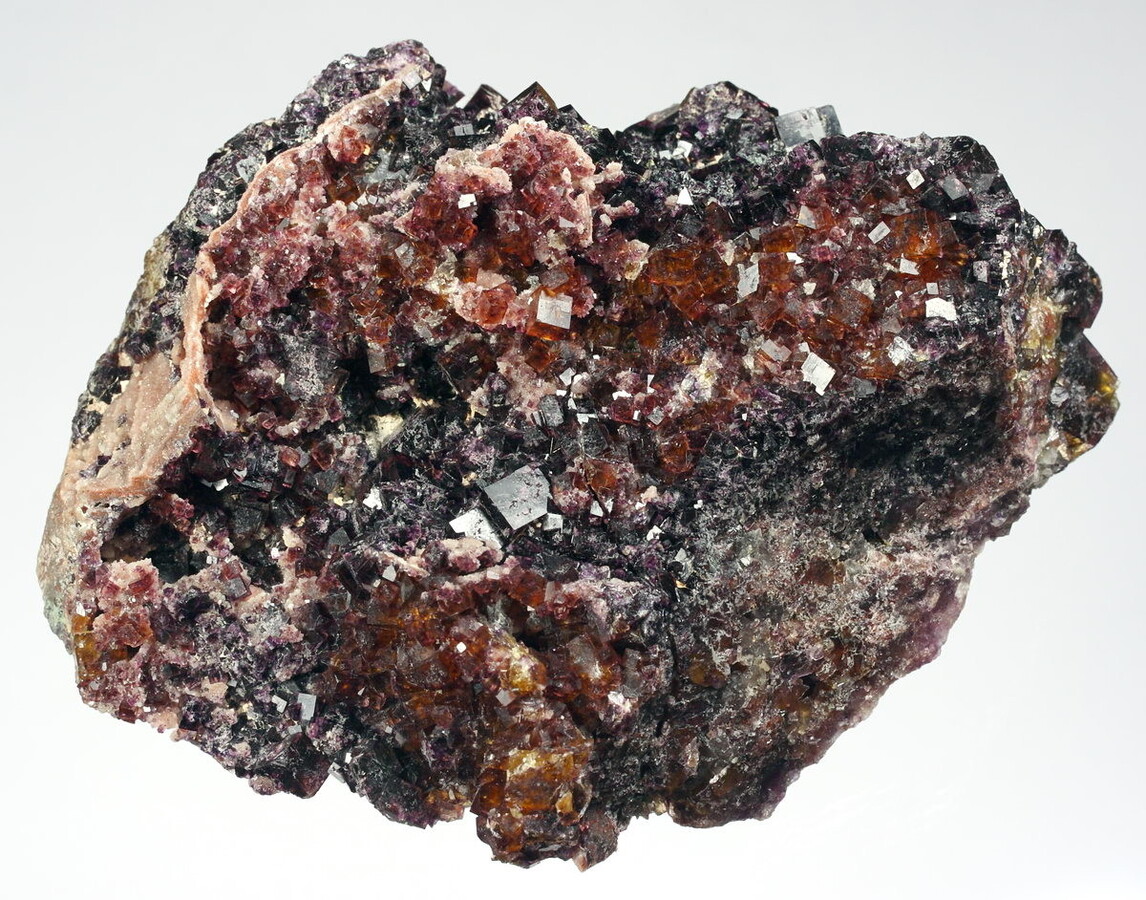
13. May - Micromount-Umlauf: Mineralien aus Pakistan
17. May - Gera, Museum für Naturkunde: Ausstellungseröffnung
21. May - 29. Internationale Jahrestagung GeoTop der Fachsektion Geoto
06. June - GERA: „Mineralientreff im Juni“
07. June - 4. Fest der edlen Steine im Rittergut Trebsen/Sachsen
13. June - Mineralienbörse in Knittelfeld
14. June - Mineralienbörse im Findlingspark Nochten
21. June - Mineralienbörse
17. May - Gera, Museum für Naturkunde: Ausstellungseröffnung
21. May - 29. Internationale Jahrestagung GeoTop der Fachsektion Geoto
06. June - GERA: „Mineralientreff im Juni“
07. June - 4. Fest der edlen Steine im Rittergut Trebsen/Sachsen
13. June - Mineralienbörse in Knittelfeld
14. June - Mineralienbörse im Findlingspark Nochten
21. June - Mineralienbörse
 Imprint
 Data protection clause
 Our team

To complete our information constantly, we need your support. With us, everyone can and should participate. Currently Mineralienatlas is used and expanded by 10586 members. Every month hundreds of thousands of visitors use our website as an information source.

| Die speziell auf die Bedürfnisse für Mineraliensammler abgestimmte Scurion 1500 mit UV Option wird primär in 2 Teilen und Zubehör geliefert. Auf der einen Seite der Lampenkopf mit Verbindungskabel und Durchführung für den Batteriekasten. Und dann der Batteriekasten, der in seiner geschwungen Form an ... moreDie speziell auf die Bedürfnisse für Mineraliensammler abgestimmte Scurion 1500 mit UV Option wird primär in 2 Teilen und Zubehör geliefert. Auf der einen Seite der Lampenkopf mit Verbindungskabel und Durchführung für den Batteriekasten. Und dann der Batteriekasten, der in seiner geschwungen Form an einen Flachmann erinnert. Zum Testen lag uns eine Version mit kurzem Kabel zur Befestigung von Lampenkopf und Batteriekasten am Helm vor. |
| Report about a geologic - and geology of deposits excursion through central and southern Namibia as well as the Namaqualand bordering to the South and parts of the Northern cape in autumn, 2009., Amongst other localities in Namibia the author visited the tin deposit Uis, the explorations project Na ... moreReport about a geologic - and geology of deposits excursion through central and southern Namibia as well as the Namaqualand bordering to the South and parts of the Northern cape in autumn, 2009., Amongst other localities in Namibia the author visited the tin deposit Uis, the explorations project Namib Lead near Swakopmund, as well as the important mines Rosh Pinah and Scorpion Zinc in the south of Namibia. In the Republic South Africa the trip led to the copper mining region of Okiep as well as the lead zinc mines of Aggeneys and, finally, to the Kalahari manganese ore districts of Postmasburg and Kuruman. (Full text in german) |
| Beim Antilope Canyon handelt es sich um eine in Jahrtausenden aus Navajo Sandstein heraus gespülte Schlucht, die durch ihre geschwungen Formen und Lichtspiele einen besonderen Reiz auf den Betrachter ausübt. Beste Zeit für einen Besuch ist Mittag bis Nachmittag, da dann das Beste Farbspiel zu beobac ... moreBeim Antilope Canyon handelt es sich um eine in Jahrtausenden aus Navajo Sandstein heraus gespülte Schlucht, die durch ihre geschwungen Formen und Lichtspiele einen besonderen Reiz auf den Betrachter ausübt. Beste Zeit für einen Besuch ist Mittag bis Nachmittag, da dann das Beste Farbspiel zu beobachten ist. Ein Besuch sollte nur bei strahlendem Sonnenschein vorgenommen werden, da nur dann die farblichen Differenzen von violett bis leuchtendem Orange richtig zur Geltung kommen. Die unterschiedliche Lichtintensität im Canyon vermittelt den Eindruck von verschiedenfarbigem Sandstein... |
| Das Mineral Epidot ist vom griechischen Wort "epidosis" abgeleitet, was "Zunahme" oder "Zugabe" bedeutet. Die Deutung als "Zunahme" spielt möglicherweise auf die stengelig zunehmende Kristallform des Minerals an. Die Interpretation als "Zugabe" könnte auf die Tatsache zurückzuführen sein, dass es de ... moreDas Mineral Epidot ist vom griechischen Wort "epidosis" abgeleitet, was "Zunahme" oder "Zugabe" bedeutet. Die Deutung als "Zunahme" spielt möglicherweise auf die stengelig zunehmende Kristallform des Minerals an. Die Interpretation als "Zugabe" könnte auf die Tatsache zurückzuführen sein, dass es dem französischen Mineralogen René HAÜY erstmals im Jahre 1801 gelang, die beiden Silikate Turmalin und Epidot eindeutig auseinanderzuhalten und somit den Epidot als eigenständiges Mineral neben Turmalin stellte... Ein Beitrag von Peter Seroka |