

 Homepage
  Calendar
  Collector's characteristics
  History of Mineralienatlas
  Howto sponsor
  Our sponsores
  Search term inside Encyclopedia
  Full-text search
  Mineral by property
  Mineral by chemistry
  Help and how it works
  Mining
  Localities
  Geology (Rocks)
  Mineralogy (Minerals)
  Palaeontoloy (Fossils)
  Literature and Books
  Equipment and tools
  Portraits
  Encyclopedia pathes
  Media gallery
  Image reel
  User image galleries
  Images of the day
  Best of Images
  Newest forum contributions




Derzeit sind keine Benutzer im Chat

13. May - Micromount-Umlauf: Mineralien aus Pakistan
17. May - Gera, Museum für Naturkunde: Ausstellungseröffnung
21. May - 29. Internationale Jahrestagung GeoTop der Fachsektion Geoto
06. June - GERA: „Mineralientreff im Juni“
07. June - 4. Fest der edlen Steine im Rittergut Trebsen/Sachsen
13. June - Mineralienbörse in Knittelfeld
14. June - Mineralienbörse im Findlingspark Nochten
21. June - Mineralienbörse
17. May - Gera, Museum für Naturkunde: Ausstellungseröffnung
21. May - 29. Internationale Jahrestagung GeoTop der Fachsektion Geoto
06. June - GERA: „Mineralientreff im Juni“
07. June - 4. Fest der edlen Steine im Rittergut Trebsen/Sachsen
13. June - Mineralienbörse in Knittelfeld
14. June - Mineralienbörse im Findlingspark Nochten
21. June - Mineralienbörse

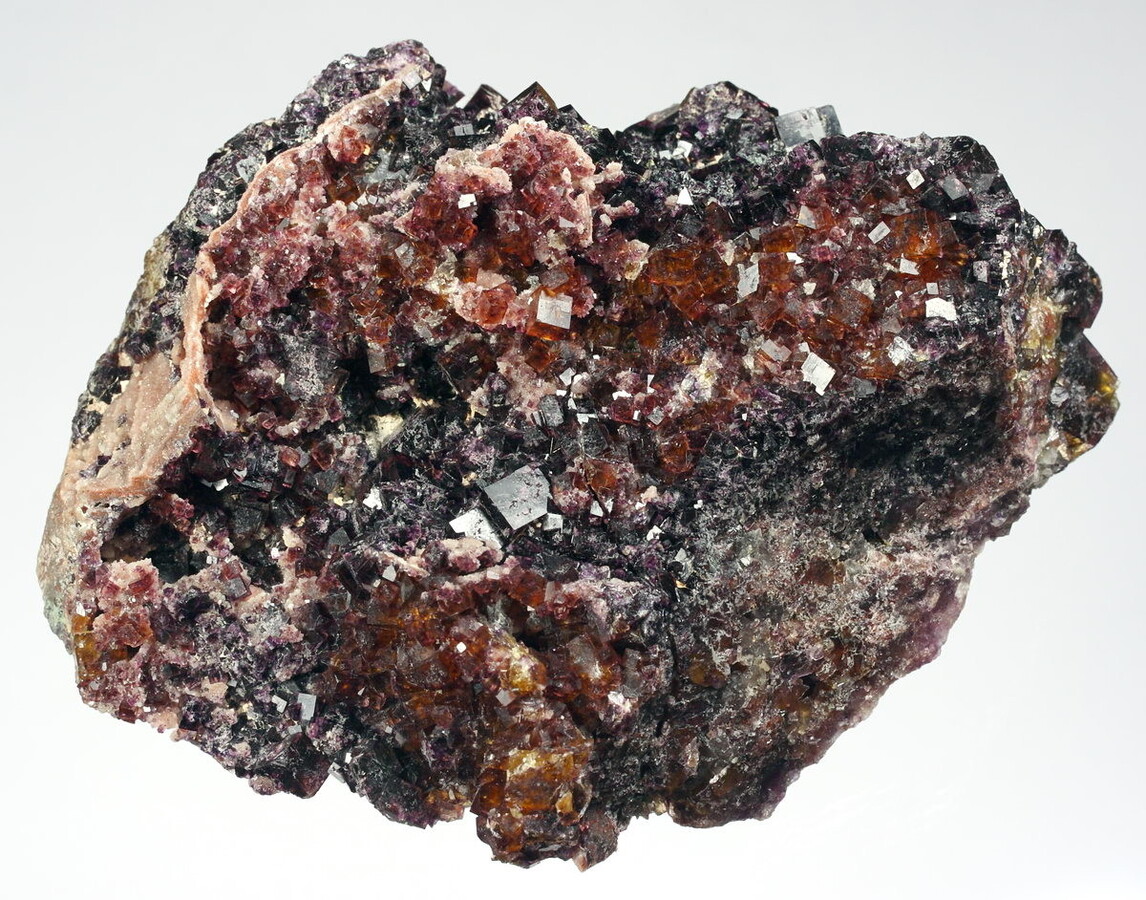
13. May - Micromount-Umlauf: Mineralien aus Pakistan
17. May - Gera, Museum für Naturkunde: Ausstellungseröffnung
21. May - 29. Internationale Jahrestagung GeoTop der Fachsektion Geoto
06. June - GERA: „Mineralientreff im Juni“
07. June - 4. Fest der edlen Steine im Rittergut Trebsen/Sachsen
13. June - Mineralienbörse in Knittelfeld
14. June - Mineralienbörse im Findlingspark Nochten
21. June - Mineralienbörse
17. May - Gera, Museum für Naturkunde: Ausstellungseröffnung
21. May - 29. Internationale Jahrestagung GeoTop der Fachsektion Geoto
06. June - GERA: „Mineralientreff im Juni“
07. June - 4. Fest der edlen Steine im Rittergut Trebsen/Sachsen
13. June - Mineralienbörse in Knittelfeld
14. June - Mineralienbörse im Findlingspark Nochten
21. June - Mineralienbörse
 Imprint
 Data protection clause
 Our team

To complete our information constantly, we need your support. With us, everyone can and should participate. Currently Mineralienatlas is used and expanded by 10586 members. Every month hundreds of thousands of visitors use our website as an information source.

| Emerged as a product of erosion from water, frost and wind which has shaped the spectacular pillars (hoodoos) the Bryce Canyon National Park is one of the most spectacular natural amphitheater. The eroded Claron limestone in which also fossils are found, leaves the impression of a subtle army from l ... moreEmerged as a product of erosion from water, frost and wind which has shaped the spectacular pillars (hoodoos) the Bryce Canyon National Park is one of the most spectacular natural amphitheater. The eroded Claron limestone in which also fossils are found, leaves the impression of a subtle army from limestone warriors. Named after the Mormon Pioneer Ebenezer Bryce, the natural spectacle was 1928 declared as national park. |
| Die Münchberger Gneismasse ist ein isoliertes Vorkommen von z.T. hochmetamorphen kristallinen Gesteinen inmitten des "Alten Gebirges" Nordostbayerns. Sie liegt mit einer Südwest-Nordost-Ausdehnung von etwa 35km und eine Breite von ca. 15km in einem Synklinorium des Autochthons, der Vogtländisch-Erzg ... moreDie Münchberger Gneismasse ist ein isoliertes Vorkommen von z.T. hochmetamorphen kristallinen Gesteinen inmitten des "Alten Gebirges" Nordostbayerns. Sie liegt mit einer Südwest-Nordost-Ausdehnung von etwa 35km und eine Breite von ca. 15km in einem Synklinorium des Autochthons, der Vogtländisch-Erzgebirgischen Mulde. |
| The metal extraction by ore leaching (mostly copper) was about 1,000 years BC. known in the Mediterranean, but there are also barely no written records. The in the Middle Ages and in the following Renaissance well-known different procedures were first described in detail by Georg Agricola 1556 in hi ... moreThe metal extraction by ore leaching (mostly copper) was about 1,000 years BC. known in the Mediterranean, but there are also barely no written records. The in the Middle Ages and in the following Renaissance well-known different procedures were first described in detail by Georg Agricola 1556 in his book "De Re Metallica Libri XII". A contribution by Peter Seroka |
| The mining in the Franconian Forest has produced a lot of pits in the area and counts to the oldest mining areas in Germany. Indeed, one searches in the World Wide web in vain according to the information of which are documented by photos or maps. This comprehensive contribution gives you a wide vie ... moreThe mining in the Franconian Forest has produced a lot of pits in the area and counts to the oldest mining areas in Germany. Indeed, one searches in the World Wide web in vain according to the information of which are documented by photos or maps. This comprehensive contribution gives you a wide view into this extended mininig area. Researched and written from Michael Kommer (in german language) |