

 Homepage
  Calendar
  Collector's characteristics
  History of Mineralienatlas
  Howto sponsor
  Our sponsores
  Search term inside Encyclopedia
  Full-text search
  Mineral by property
  Mineral by chemistry
  Help and how it works
  Mining
  Localities
  Geology (Rocks)
  Mineralogy (Minerals)
  Palaeontoloy (Fossils)
  Literature and Books
  Equipment and tools
  Portraits
  Encyclopedia pathes
  Media gallery
  Image reel
  User image galleries
  Images of the day
  Best of Images
  Newest forum contributions




389 Gäste, 15 Mitglieder (2 Versteckte)
FrankD, Stein46, smaragd123, DanielR, guefz, Kili, Otoites, Louise, hoppi, giantcrystal, FF, Chroma, DocRock87
FrankD, Stein46, smaragd123, DanielR, guefz, Kili, Otoites, Louise, hoppi, giantcrystal, FF, Chroma, DocRock87
Derzeit sind keine Benutzer im Chat


13. May - Micromount-Umlauf: Mineralien aus Pakistan
17. May - Gera, Museum für Naturkunde: Ausstellungseröffnung
21. May - 29. Internationale Jahrestagung GeoTop der Fachsektion Geoto
06. June - GERA: „Mineralientreff im Juni“
07. June - 4. Fest der edlen Steine im Rittergut Trebsen/Sachsen
13. June - Mineralienbörse in Knittelfeld
14. June - Mineralienbörse im Findlingspark Nochten
21. June - Mineralienbörse
17. May - Gera, Museum für Naturkunde: Ausstellungseröffnung
21. May - 29. Internationale Jahrestagung GeoTop der Fachsektion Geoto
06. June - GERA: „Mineralientreff im Juni“
07. June - 4. Fest der edlen Steine im Rittergut Trebsen/Sachsen
13. June - Mineralienbörse in Knittelfeld
14. June - Mineralienbörse im Findlingspark Nochten
21. June - Mineralienbörse
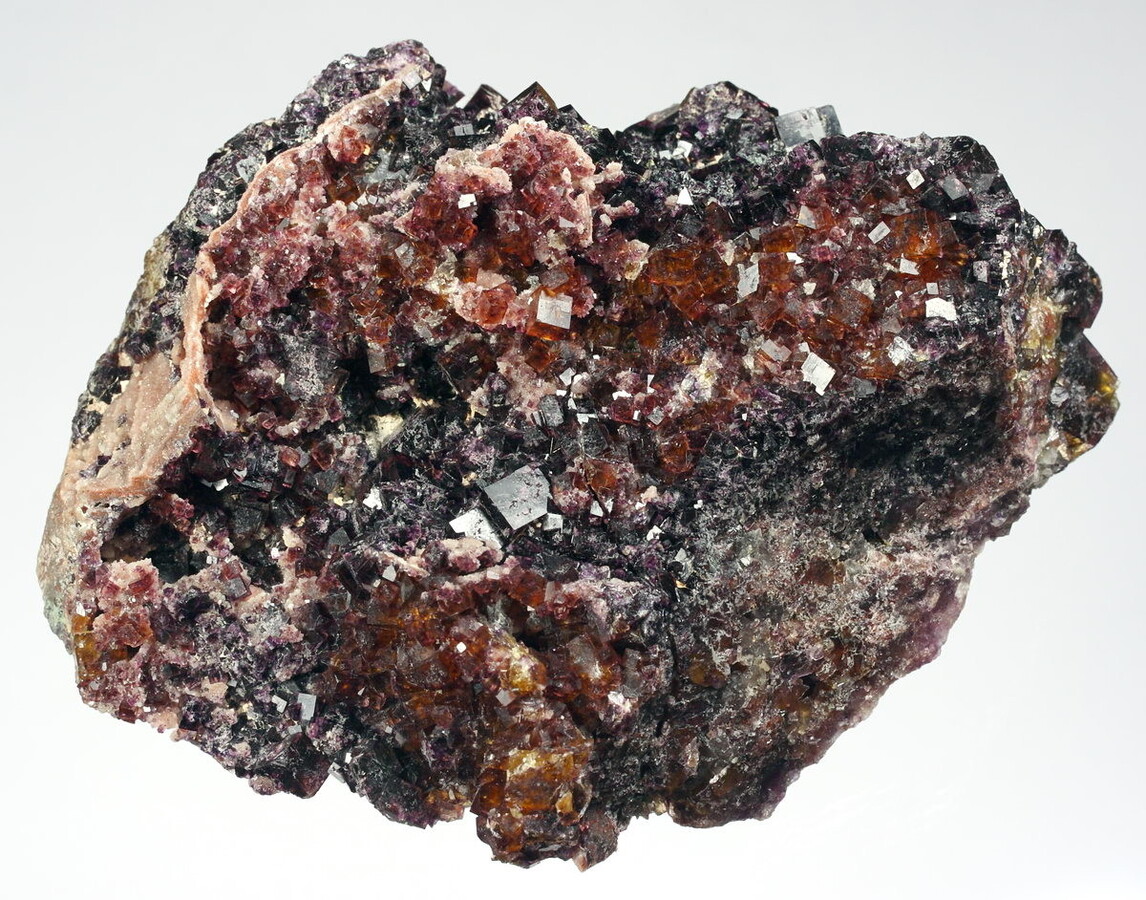
13. May - Micromount-Umlauf: Mineralien aus Pakistan
17. May - Gera, Museum für Naturkunde: Ausstellungseröffnung
21. May - 29. Internationale Jahrestagung GeoTop der Fachsektion Geoto
06. June - GERA: „Mineralientreff im Juni“
07. June - 4. Fest der edlen Steine im Rittergut Trebsen/Sachsen
13. June - Mineralienbörse in Knittelfeld
14. June - Mineralienbörse im Findlingspark Nochten
21. June - Mineralienbörse
17. May - Gera, Museum für Naturkunde: Ausstellungseröffnung
21. May - 29. Internationale Jahrestagung GeoTop der Fachsektion Geoto
06. June - GERA: „Mineralientreff im Juni“
07. June - 4. Fest der edlen Steine im Rittergut Trebsen/Sachsen
13. June - Mineralienbörse in Knittelfeld
14. June - Mineralienbörse im Findlingspark Nochten
21. June - Mineralienbörse
 Imprint
 Data protection clause
 Our team

To complete our information constantly, we need your support. With us, everyone can and should participate. Currently Mineralienatlas is used and expanded by 10586 members. Every month hundreds of thousands of visitors use our website as an information source.

| Deposits are one of the most important topics in geology. Peter Seroka has addressed the issue in several years of work and has written an up-to-date geological summary. He dedicated his work to the 15 th anniversary of Mineralienatlas. The work gives detailed information regarding the origin of d ... moreDeposits are one of the most important topics in geology. Peter Seroka has addressed the issue in several years of work and has written an up-to-date geological summary. He dedicated his work to the 15 th anniversary of Mineralienatlas. The work gives detailed information regarding the origin of deposits, the different types of deposits and their classification. Examples of economically important deposits complete the chapters. Provided that this comprehensive work would be printed it would be a volume of over 400 pages; here it is provided in its entirety, online. Thanks to Peter Seroka. (written in german language). |
| Das Mineral Epidot ist vom griechischen Wort "epidosis" abgeleitet, was "Zunahme" oder "Zugabe" bedeutet. Die Deutung als "Zunahme" spielt möglicherweise auf die stengelig zunehmende Kristallform des Minerals an. Die Interpretation als "Zugabe" könnte auf die Tatsache zurückzuführen sein, dass es de ... moreDas Mineral Epidot ist vom griechischen Wort "epidosis" abgeleitet, was "Zunahme" oder "Zugabe" bedeutet. Die Deutung als "Zunahme" spielt möglicherweise auf die stengelig zunehmende Kristallform des Minerals an. Die Interpretation als "Zugabe" könnte auf die Tatsache zurückzuführen sein, dass es dem französischen Mineralogen René HAÜY erstmals im Jahre 1801 gelang, die beiden Silikate Turmalin und Epidot eindeutig auseinanderzuhalten und somit den Epidot als eigenständiges Mineral neben Turmalin stellte... Ein Beitrag von Peter Seroka |
| Das Mineral Zirkon ist als Schmuckstein bereits seit der Antike bekannt. Schon im Altertum war der Zirkon als Edelstein bekannt und wurde an einigen der weltweit ältesten archäologischen Ausgrabungsstätten gefunden. Er taucht in verschiedenen alten Schriften auf, darunter in der Bibel und einem Hind ... moreDas Mineral Zirkon ist als Schmuckstein bereits seit der Antike bekannt. Schon im Altertum war der Zirkon als Edelstein bekannt und wurde an einigen der weltweit ältesten archäologischen Ausgrabungsstätten gefunden. Er taucht in verschiedenen alten Schriften auf, darunter in der Bibel und einem Hindu-Gedicht über den mythischen Kalpa-Baum (Kamana Kalpa Vraksha), der mit Blättern aus Zirkon geschmückt gewesen sein soll. Einige Quellen erwähnen eine jüdische Legende, in der ein Engel namens „Zirkon“ vorkommt, der ... Ein Beitrag von Peter Seroka |
| Der Devils Tower (auch Mateo Tepee oder Bear Lodge) ist eine freistehende markante, säulenförmige Felsformation aus porphyrischem Phonolith im Crook County, im Nordosten von Wyoming, nahe der Grenze zu South Dakota. Seine absolute Höhe (über NN) beträgt 1558 m, er überragt die umgebende Ebene auf ei ... moreDer Devils Tower (auch Mateo Tepee oder Bear Lodge) ist eine freistehende markante, säulenförmige Felsformation aus porphyrischem Phonolith im Crook County, im Nordosten von Wyoming, nahe der Grenze zu South Dakota. Seine absolute Höhe (über NN) beträgt 1558 m, er überragt die umgebende Ebene auf einem Sockel von Sedimentgesteinen um etwa 264 m. Seine Basis besitzt einen Durchmesser von ungefähr 300 m, am abgeflachten Gipfelbereich beträgt dieser etwa 120 m. |