

 Homepage
  Calendar
  Collector's characteristics
  History of Mineralienatlas
  Howto sponsor
  Our sponsores
  Search term inside Encyclopedia
  Full-text search
  Mineral by property
  Mineral by chemistry
  Help and how it works
  Mining
  Localities
  Geology (Rocks)
  Mineralogy (Minerals)
  Palaeontoloy (Fossils)
  Literature and Books
  Equipment and tools
  Portraits
  Encyclopedia pathes
  Media gallery
  Image reel
  User image galleries
  Images of the day
  Best of Images
  Newest forum contributions




30.298 Gäste, 17 Mitglieder (4 Versteckte)
robodoc, hgadm, ger steinn, Rolf, bodojoe, asgard2fx, User33, Vogelgesang, rtbstone, Florian, cinnabarit, Xantokon, michael berghäuser
robodoc, hgadm, ger steinn, Rolf, bodojoe, asgard2fx, User33, Vogelgesang, rtbstone, Florian, cinnabarit, Xantokon, michael berghäuser
Derzeit sind keine Benutzer im Chat


21. May - 29. Internationale Jahrestagung GeoTop der Fachsektion Geoto
03. June - Mineralien- Hausmesse Wechselburg
06. June - GERA: „Mineralientreff im Juni“
07. June - 4. Fest der edlen Steine im Rittergut Trebsen/Sachsen
13. June - Mineralienbörse in Knittelfeld
14. June - Mineralienbörse im Findlingspark Nochten
21. June - Mineralienbörse
03. June - Mineralien- Hausmesse Wechselburg
06. June - GERA: „Mineralientreff im Juni“
07. June - 4. Fest der edlen Steine im Rittergut Trebsen/Sachsen
13. June - Mineralienbörse in Knittelfeld
14. June - Mineralienbörse im Findlingspark Nochten
21. June - Mineralienbörse
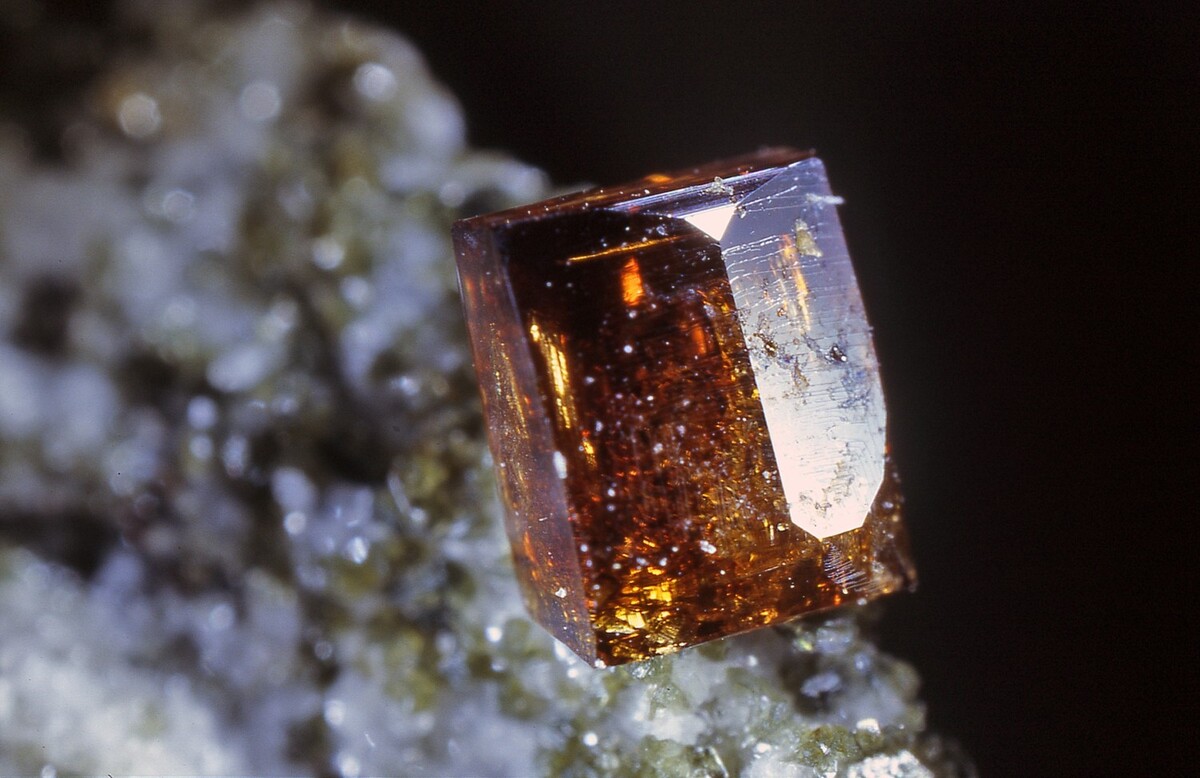
21. May - 29. Internationale Jahrestagung GeoTop der Fachsektion Geoto
03. June - Mineralien- Hausmesse Wechselburg
06. June - GERA: „Mineralientreff im Juni“
07. June - 4. Fest der edlen Steine im Rittergut Trebsen/Sachsen
13. June - Mineralienbörse in Knittelfeld
14. June - Mineralienbörse im Findlingspark Nochten
21. June - Mineralienbörse
03. June - Mineralien- Hausmesse Wechselburg
06. June - GERA: „Mineralientreff im Juni“
07. June - 4. Fest der edlen Steine im Rittergut Trebsen/Sachsen
13. June - Mineralienbörse in Knittelfeld
14. June - Mineralienbörse im Findlingspark Nochten
21. June - Mineralienbörse
 Imprint
 Data protection clause
 Our team

To complete our information constantly, we need your support. With us, everyone can and should participate. Currently Mineralienatlas is used and expanded by 10588 members. Every month hundreds of thousands of visitors use our website as an information source.

| ...Gegenstand des Unternehmens war der Bergbau auf Flußspat, Blei- und Zinkerz und andere beibrechende Mineralien, sowie deren Aufbereitung und Veredelung. Wirtschaftliche Hauptaufgabe der Grube war die Versorgung der Riedel-de Haen AG mit dem für die Flußsäureproduktion im Werk Seelze erforderliche ... more...Gegenstand des Unternehmens war der Bergbau auf Flußspat, Blei- und Zinkerz und andere beibrechende Mineralien, sowie deren Aufbereitung und Veredelung. Wirtschaftliche Hauptaufgabe der Grube war die Versorgung der Riedel-de Haen AG mit dem für die Flußsäureproduktion im Werk Seelze erforderlichen Säurespat. Die wichtigsten Abbaugebiete, in denen die Gewerkschaft Wölsendorf Bergwerkseigentum hatte, waren die Bleierzgrube "Marienschacht" in den Gemeinden Schwarzach ... Ein Beitrag von Michael Kommer |
| 1936 erwirbt die Firma "Saline Ludwigshalle AG", Bad Wimpfen, die Grube Kallmünzer. Daraufhin wurde der Firmenname ( Besitzer) in "Flußspatwerk Schwarzenfeld GmbH, vorm. Anton Kallmünzer" geändert. Die Flußspatgrube wird von nun an Grube Cäcilia, teils auch Grube Cäcilie, genannt. Anton Kallmünzer b ... more1936 erwirbt die Firma "Saline Ludwigshalle AG", Bad Wimpfen, die Grube Kallmünzer. Daraufhin wurde der Firmenname ( Besitzer) in "Flußspatwerk Schwarzenfeld GmbH, vorm. Anton Kallmünzer" geändert. Die Flußspatgrube wird von nun an Grube Cäcilia, teils auch Grube Cäcilie, genannt. Anton Kallmünzer bleibt Teilhaber und Geschäftsführer. Schacht Cäcilia II ist mit 86 m Teufe Hauptförderschacht. Der Schacht Marie, ehemals zu Grube Freiung II zugehörig und der Reichhart-Schacht, ehemals Grube Freiung I, werden als Wetterschächte genutzt. Im gleichen Jahr erwirbt die Firma auch das Ausbeuterecht ... Ein Beitrag von Michael Kommer |
| For Mineral collectors who travel in their vacation to the mining area of La Union, the mina Precaución is an easy to reach and in 2010 a worthwhile target to collect attractive pieces with hemimorphite, calcite and more minerals on contrast rich matrix. Equipped with helmet, forehead lamp, chisel ... moreFor Mineral collectors who travel in their vacation to the mining area of La Union, the mina Precaución is an easy to reach and in 2010 a worthwhile target to collect attractive pieces with hemimorphite, calcite and more minerals on contrast rich matrix. Equipped with helmet, forehead lamp, chisel and hammer nice pieces can be rescued easily, taking into account the security rules for mining visits. |