

 Homepage
  Calendar
  Collector's characteristics
  History of Mineralienatlas
  Howto sponsor
  Our sponsores
  Search term inside Encyclopedia
  Full-text search
  Mineral by property
  Mineral by chemistry
  Help and how it works
  Mining
  Localities
  Geology (Rocks)
  Mineralogy (Minerals)
  Palaeontoloy (Fossils)
  Literature and Books
  Equipment and tools
  Portraits
  Encyclopedia pathes
  Media gallery
  Image reel
  User image galleries
  Images of the day
  Best of Images
  Newest forum contributions



Derzeit sind keine Benutzer im Chat
07. Feb. - 20. Marienberger Mineralienbörse, DE
21. Feb. - 35.Mineralienbörse Flöha
21. Feb. - 16. Mittelsächsischer Mineralien- und Fossilientreff, DE
22. Feb. - Wilnsdorfer Mineralien- und Bergbaubörse, DE
01. Mar. - Mineralienbörse
01. Mar. - 18. Intern. Micromounter Tauschtag in Rosenheim/Oberbayern
07. Mar. - Internationale Mineralien-, Fossilien- und Schmuckbörse Leip
21. Feb. - 35.Mineralienbörse Flöha
21. Feb. - 16. Mittelsächsischer Mineralien- und Fossilientreff, DE
22. Feb. - Wilnsdorfer Mineralien- und Bergbaubörse, DE
01. Mar. - Mineralienbörse
01. Mar. - 18. Intern. Micromounter Tauschtag in Rosenheim/Oberbayern
07. Mar. - Internationale Mineralien-, Fossilien- und Schmuckbörse Leip
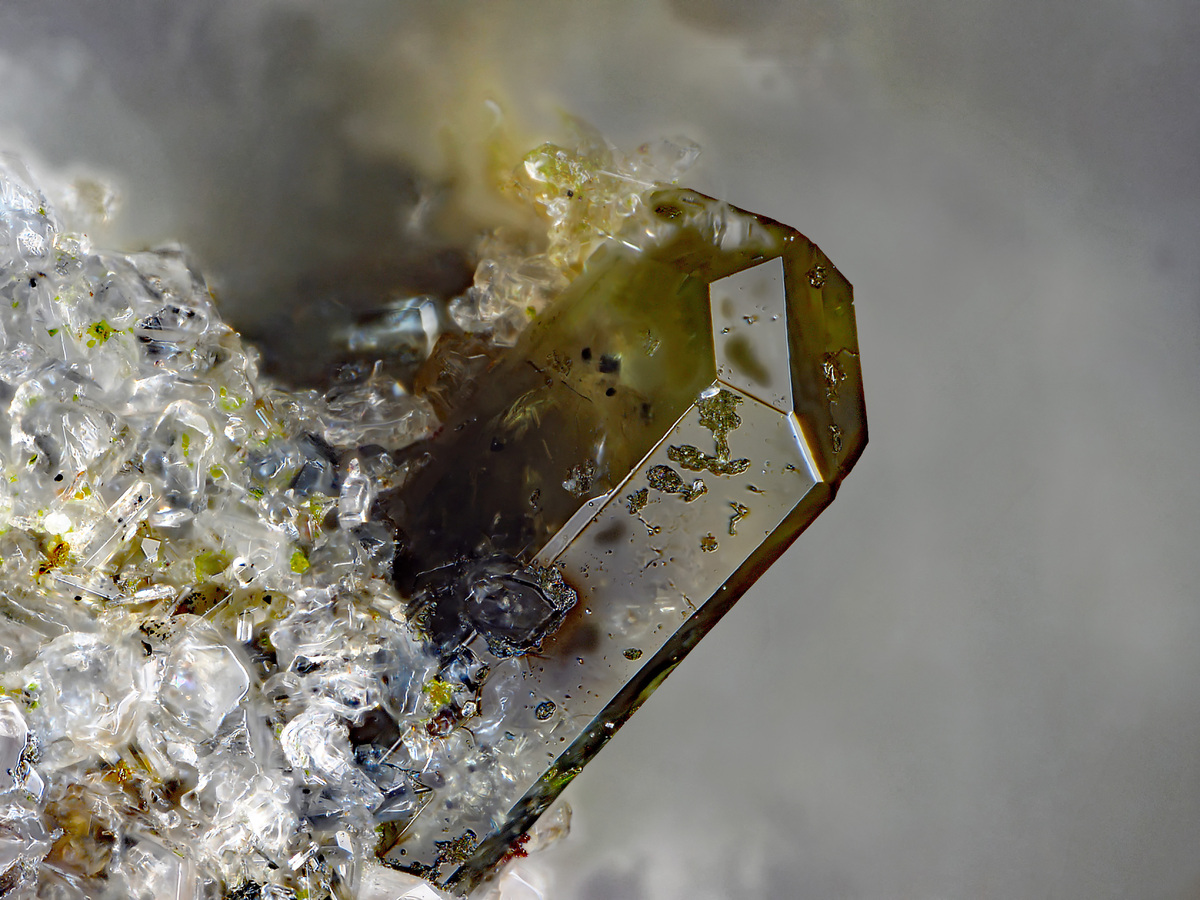
Image of the day
Fluoro-Edenit© Hartmut Stöckle
07. Feb. - 20. Marienberger Mineralienbörse, DE
21. Feb. - 35.Mineralienbörse Flöha
21. Feb. - 16. Mittelsächsischer Mineralien- und Fossilientreff, DE
22. Feb. - Wilnsdorfer Mineralien- und Bergbaubörse, DE
01. Mar. - Mineralienbörse
01. Mar. - 18. Intern. Micromounter Tauschtag in Rosenheim/Oberbayern
07. Mar. - Internationale Mineralien-, Fossilien- und Schmuckbörse Leip
21. Feb. - 35.Mineralienbörse Flöha
21. Feb. - 16. Mittelsächsischer Mineralien- und Fossilientreff, DE
22. Feb. - Wilnsdorfer Mineralien- und Bergbaubörse, DE
01. Mar. - Mineralienbörse
01. Mar. - 18. Intern. Micromounter Tauschtag in Rosenheim/Oberbayern
07. Mar. - Internationale Mineralien-, Fossilien- und Schmuckbörse Leip
 Imprint
 Data protection clause
 Our team

To complete our information constantly, we need your support. With us, everyone can and should participate. Currently Mineralienatlas is used and expanded by 10457 members. Every month hundreds of thousands of visitors use our website as an information source.

| The Mineralientage München 2025 – The Munich Show once again showcased a fascinating variety of minerals, fossils, and jewelry. Although visitor numbers appeared slightly lower than last year, the fair remained vibrant and diverse. Highlights included the collector displays and the special exhibitio ... moreThe Mineralientage München 2025 – The Munich Show once again showcased a fascinating variety of minerals, fossils, and jewelry. Although visitor numbers appeared slightly lower than last year, the fair remained vibrant and diverse. Highlights included the collector displays and the special exhibition on natural resources, while the fossil section was somewhat smaller. Some visitors expressed a wish for more seating areas, opportunities for exchange, and more eye-catching advertising, yet overall the event left a very positive impression and remains a must-visit for collectors and families alike. |
| People have always been fascinated by precious stones because of their lustre. But not only polished gems shine. Each raw mineral has, such as mica flakes in the river sand show, its very special characteristic luster. Gloss isn't simply measurable. It is usually described by comparison with objects ... morePeople have always been fascinated by precious stones because of their lustre. But not only polished gems shine. Each raw mineral has, such as mica flakes in the river sand show, its very special characteristic luster. Gloss isn't simply measurable. It is usually described by comparison with objects of everyday life ... (in german) |
| Der Begriff "Organische Mineralien" wird (leider) weltweit noch oft individuell definiert, obwohl es für diese Mineralgruppe seit einigen Jahren eine "Status Quo"-Klassifizierung gibt. Status Quo bedeutet im weiteren Sinn die Klassifizierung nach dem Strunz-System, insbesondere aber die Anerkennung ... moreDer Begriff "Organische Mineralien" wird (leider) weltweit noch oft individuell definiert, obwohl es für diese Mineralgruppe seit einigen Jahren eine "Status Quo"-Klassifizierung gibt. Status Quo bedeutet im weiteren Sinn die Klassifizierung nach dem Strunz-System, insbesondere aber die Anerkennung bzw. Aberkennung (Diskreditierung) der nachstehenden Mineralien durch die international verbindliche IMA-Regelung... Ein Beitrag unseres verstorbenen Freundes Peter Seroka |
| 1936 erwirbt die Firma "Saline Ludwigshalle AG", Bad Wimpfen, die Grube Kallmünzer. Daraufhin wurde der Firmenname ( Besitzer) in "Flußspatwerk Schwarzenfeld GmbH, vorm. Anton Kallmünzer" geändert. Die Flußspatgrube wird von nun an Grube Cäcilia, teils auch Grube Cäcilie, genannt. Anton Kallmünzer b ... more1936 erwirbt die Firma "Saline Ludwigshalle AG", Bad Wimpfen, die Grube Kallmünzer. Daraufhin wurde der Firmenname ( Besitzer) in "Flußspatwerk Schwarzenfeld GmbH, vorm. Anton Kallmünzer" geändert. Die Flußspatgrube wird von nun an Grube Cäcilia, teils auch Grube Cäcilie, genannt. Anton Kallmünzer bleibt Teilhaber und Geschäftsführer. Schacht Cäcilia II ist mit 86 m Teufe Hauptförderschacht. Der Schacht Marie, ehemals zu Grube Freiung II zugehörig und der Reichhart-Schacht, ehemals Grube Freiung I, werden als Wetterschächte genutzt. Im gleichen Jahr erwirbt die Firma auch das Ausbeuterecht ... Ein Beitrag von Michael Kommer |
| The village and the mine with the same name "Rosia Montana" are located approximately 85 km north of the city of Deva. The mine complex extends over 21.2 square kilometers and is one of the largest gold deposits in Europe. The tunnel system in the underground is several hundred kilometers long and w ... moreThe village and the mine with the same name "Rosia Montana" are located approximately 85 km north of the city of Deva. The mine complex extends over 21.2 square kilometers and is one of the largest gold deposits in Europe. The tunnel system in the underground is several hundred kilometers long and was used until a few years ago. Already in Roman times the tunnels had a length of 145 km. |