

 Homepage
  Calendar
  Collector's characteristics
  History of Mineralienatlas
  Howto sponsor
  Our sponsores
  Search term inside Encyclopedia
  Full-text search
  Mineral by property
  Mineral by chemistry
  Help and how it works
  Mining
  Localities
  Geology (Rocks)
  Mineralogy (Minerals)
  Palaeontoloy (Fossils)
  Literature and Books
  Equipment and tools
  Portraits
  Encyclopedia pathes
  Media gallery
  Image reel
  User image galleries
  Images of the day
  Best of Images
  Newest forum contributions



1.281 Gäste, 18 Mitglieder (3 Versteckte)
Otoites, JoLu, Reinhold, MB, guefz, nwsachse, harzer, Tommy, koibonsai, füzz, blackforestmining2, Junibolte, FrankD, uwe, Walpurgin
Otoites, JoLu, Reinhold, MB, guefz, nwsachse, harzer, Tommy, koibonsai, füzz, blackforestmining2, Junibolte, FrankD, uwe, Walpurgin
Derzeit sind keine Benutzer im Chat
19. Feb. - Treffen der Mineralien- und Fossilienfreunde Dortmund
20. Feb. - GERA: Bildvortrag „Amethyst – ein ‚Omastein‘ in einer Farbe,
21. Feb. - 35.Mineralienbörse Flöha
21. Feb. - 16. Mittelsächsischer Mineralien- und Fossilientreff, DE
22. Feb. - Wilnsdorfer Mineralien- und Bergbaubörse, DE
28. Feb. - GERA: MINERALIEN-LIEBHABER-TAG
01. Mar. - Mineralienbörse
01. Mar. - 18. Intern. Micromounter Tauschtag in Rosenheim/Oberbayern
07. Mar. - Internationale Mineralien-, Fossilien- und Schmuckbörse Leip
08. Mar. - Reinheim/Georgenhausen – 30. Odenwälder Mineralientag
08. Mar. - Arzberger Mineralien und Fossilienbörse
14. Mar. - 27. Bitterfelder Mineralien- und Fossilienbörse im Rathaus
15. Mar. - Mineralienbörse
15. Mar. - Nürnberger Mineralien- & Fossilienbörse DE
20. Mar. - GERA: Bildvortrag „Namibia – Sammeln unter der Sonne Afrikas
22. Mar. - 63. Rhein-Neckar-Mineralienbörse in Walldorf
20. Feb. - GERA: Bildvortrag „Amethyst – ein ‚Omastein‘ in einer Farbe,
21. Feb. - 35.Mineralienbörse Flöha
21. Feb. - 16. Mittelsächsischer Mineralien- und Fossilientreff, DE
22. Feb. - Wilnsdorfer Mineralien- und Bergbaubörse, DE
28. Feb. - GERA: MINERALIEN-LIEBHABER-TAG
01. Mar. - Mineralienbörse
01. Mar. - 18. Intern. Micromounter Tauschtag in Rosenheim/Oberbayern
07. Mar. - Internationale Mineralien-, Fossilien- und Schmuckbörse Leip
08. Mar. - Reinheim/Georgenhausen – 30. Odenwälder Mineralientag
08. Mar. - Arzberger Mineralien und Fossilienbörse
14. Mar. - 27. Bitterfelder Mineralien- und Fossilienbörse im Rathaus
15. Mar. - Mineralienbörse
15. Mar. - Nürnberger Mineralien- & Fossilienbörse DE
20. Mar. - GERA: Bildvortrag „Namibia – Sammeln unter der Sonne Afrikas
22. Mar. - 63. Rhein-Neckar-Mineralienbörse in Walldorf
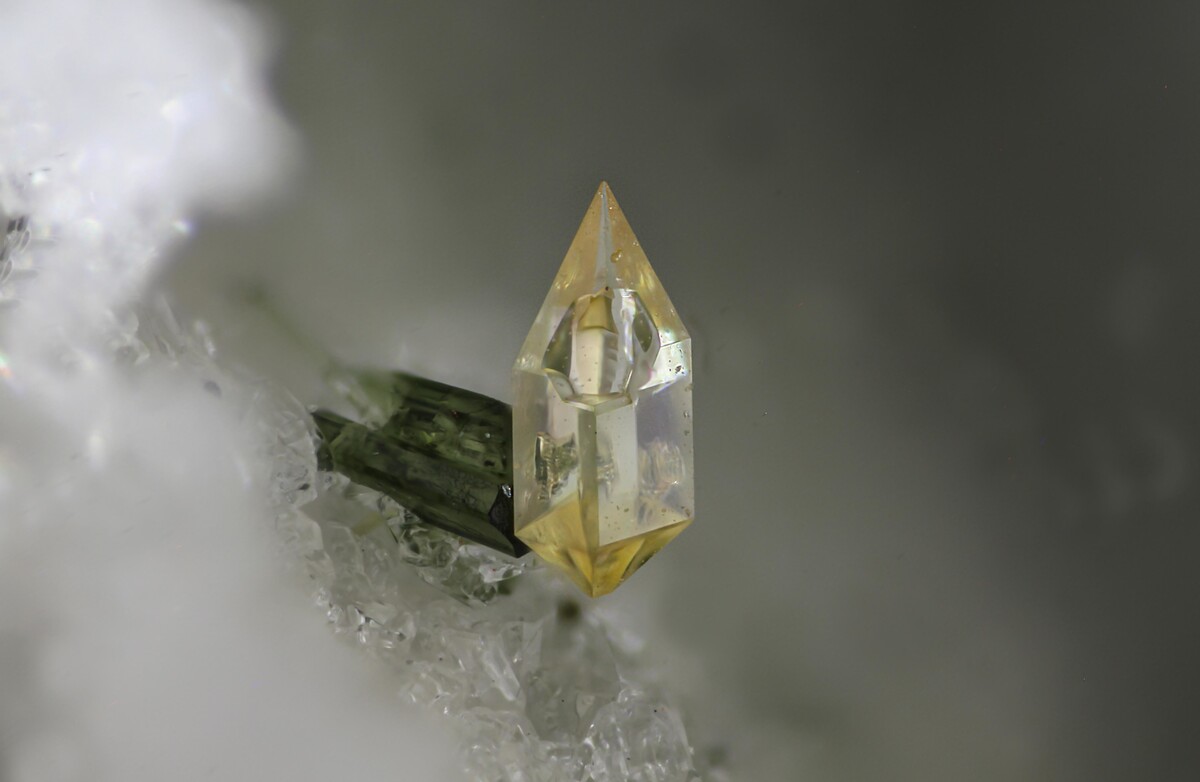
19. Feb. - Treffen der Mineralien- und Fossilienfreunde Dortmund
20. Feb. - GERA: Bildvortrag „Amethyst – ein ‚Omastein‘ in einer Farbe,
21. Feb. - 35.Mineralienbörse Flöha
21. Feb. - 16. Mittelsächsischer Mineralien- und Fossilientreff, DE
22. Feb. - Wilnsdorfer Mineralien- und Bergbaubörse, DE
28. Feb. - GERA: MINERALIEN-LIEBHABER-TAG
01. Mar. - Mineralienbörse
01. Mar. - 18. Intern. Micromounter Tauschtag in Rosenheim/Oberbayern
07. Mar. - Internationale Mineralien-, Fossilien- und Schmuckbörse Leip
08. Mar. - Reinheim/Georgenhausen – 30. Odenwälder Mineralientag
08. Mar. - Arzberger Mineralien und Fossilienbörse
14. Mar. - 27. Bitterfelder Mineralien- und Fossilienbörse im Rathaus
15. Mar. - Mineralienbörse
15. Mar. - Nürnberger Mineralien- & Fossilienbörse DE
20. Mar. - GERA: Bildvortrag „Namibia – Sammeln unter der Sonne Afrikas
22. Mar. - 63. Rhein-Neckar-Mineralienbörse in Walldorf
20. Feb. - GERA: Bildvortrag „Amethyst – ein ‚Omastein‘ in einer Farbe,
21. Feb. - 35.Mineralienbörse Flöha
21. Feb. - 16. Mittelsächsischer Mineralien- und Fossilientreff, DE
22. Feb. - Wilnsdorfer Mineralien- und Bergbaubörse, DE
28. Feb. - GERA: MINERALIEN-LIEBHABER-TAG
01. Mar. - Mineralienbörse
01. Mar. - 18. Intern. Micromounter Tauschtag in Rosenheim/Oberbayern
07. Mar. - Internationale Mineralien-, Fossilien- und Schmuckbörse Leip
08. Mar. - Reinheim/Georgenhausen – 30. Odenwälder Mineralientag
08. Mar. - Arzberger Mineralien und Fossilienbörse
14. Mar. - 27. Bitterfelder Mineralien- und Fossilienbörse im Rathaus
15. Mar. - Mineralienbörse
15. Mar. - Nürnberger Mineralien- & Fossilienbörse DE
20. Mar. - GERA: Bildvortrag „Namibia – Sammeln unter der Sonne Afrikas
22. Mar. - 63. Rhein-Neckar-Mineralienbörse in Walldorf
 Imprint
 Data protection clause
 Our team

To complete our information constantly, we need your support. With us, everyone can and should participate. Currently Mineralienatlas is used and expanded by 10454 members. Every month hundreds of thousands of visitors use our website as an information source.

| Kaspar Sternberg wurde als jüngster von 3 Söhnen des Grafen Johann von Sternberg geboren. Mit elf Jahren wurde er für die geistliche Laufbahn bestimmt und begann 1778 mit der priesterlichen Ausbildung im Collegium Germanicum in Rom. Er ging 1783 nach Regensburg, um eine kirchliche Laufbahn zu beschr ... moreKaspar Sternberg wurde als jüngster von 3 Söhnen des Grafen Johann von Sternberg geboren. Mit elf Jahren wurde er für die geistliche Laufbahn bestimmt und begann 1778 mit der priesterlichen Ausbildung im Collegium Germanicum in Rom. Er ging 1783 nach Regensburg, um eine kirchliche Laufbahn zu beschreiten. 1802 wurde er als Stellvertreter des Fürsten Thurn und Taxis die Spitze der dortigen politischen Verwaltung, des Landesdirektoriums. Während der nächsten 4 Jahre war er Gesandter am Immerwährenden Reichstag ... |
| After the discovery of silver deposits in Christiansdorf - the now called Freiberg - over the time the mining was also expanded on the upper mountain. Thus from about 1240, the tin deposits (with the beginnings of subsurface mining also silver) around Ehrenfriedersdorf was mined. By finding rich si ... moreAfter the discovery of silver deposits in Christiansdorf - the now called Freiberg - over the time the mining was also expanded on the upper mountain. Thus from about 1240, the tin deposits (with the beginnings of subsurface mining also silver) around Ehrenfriedersdorf was mined. By finding rich silver adits in the 2nd third of the 15th Century the great mountain towns like Schneeberg (municipal law since 1477) and Annaberg (municipal law since 1496) was founded. (Article in german) |
| ...Während meines Studiums profitierte ich in besonderer Weise von den jeweils dreimonatigen Semesterferien. Ich verbrachte sie hauptsächlich im schweizerischen Binntal, wo ich bei dem einheimischen Strahler Andre Gorsatt quasi „ in die Lehre gehen“ durfte. Ich reinigte und formatierte Fundstücke, b ... more...Während meines Studiums profitierte ich in besonderer Weise von den jeweils dreimonatigen Semesterferien. Ich verbrachte sie hauptsächlich im schweizerischen Binntal, wo ich bei dem einheimischen Strahler Andre Gorsatt quasi „ in die Lehre gehen“ durfte. Ich reinigte und formatierte Fundstücke, begleitete zuerst die Strahlerexkursionen, die Andre Gorsatt anbot und durfte in Folge auch eigene Führungen leiten. Es mag an meinem Habitus von einem Drittel Athlet und zwei Dritteln Pykniker gelegen haben, dass ich in der Hauptsache für die Familien- und Senioren-Führungen vorgesehen wurde... Ene Erzählung von Klaus Schäfer |