

 Homepage
  Calendar
  Collector's characteristics
  History of Mineralienatlas
  Howto sponsor
  Our sponsores
  Search term inside Encyclopedia
  Full-text search
  Mineral by property
  Mineral by chemistry
  Help and how it works
  Mining
  Localities
  Geology (Rocks)
  Mineralogy (Minerals)
  Palaeontoloy (Fossils)
  Literature and Books
  Equipment and tools
  Portraits
  Encyclopedia pathes
  Media gallery
  Image reel
  User image galleries
  Images of the day
  Best of Images
  Newest forum contributions




422 Gäste, 17 Mitglieder (1 Versteckte)
guefz, Kili, Otoites, Louise, hoppi, smaragd123, giantcrystal, DanielR, FF, Chroma, DocRock87, limestone, RoterFeuerstein, alfredo, helgesteen, blackforestmining2
guefz, Kili, Otoites, Louise, hoppi, smaragd123, giantcrystal, DanielR, FF, Chroma, DocRock87, limestone, RoterFeuerstein, alfredo, helgesteen, blackforestmining2
Derzeit sind keine Benutzer im Chat
13. May - Micromount-Umlauf: Mineralien aus Pakistan
17. May - Gera, Museum für Naturkunde: Ausstellungseröffnung
21. May - 29. Internationale Jahrestagung GeoTop der Fachsektion Geoto
06. June - GERA: „Mineralientreff im Juni“
07. June - 4. Fest der edlen Steine im Rittergut Trebsen/Sachsen
13. June - Mineralienbörse in Knittelfeld
14. June - Mineralienbörse im Findlingspark Nochten
21. June - Mineralienbörse
17. May - Gera, Museum für Naturkunde: Ausstellungseröffnung
21. May - 29. Internationale Jahrestagung GeoTop der Fachsektion Geoto
06. June - GERA: „Mineralientreff im Juni“
07. June - 4. Fest der edlen Steine im Rittergut Trebsen/Sachsen
13. June - Mineralienbörse in Knittelfeld
14. June - Mineralienbörse im Findlingspark Nochten
21. June - Mineralienbörse


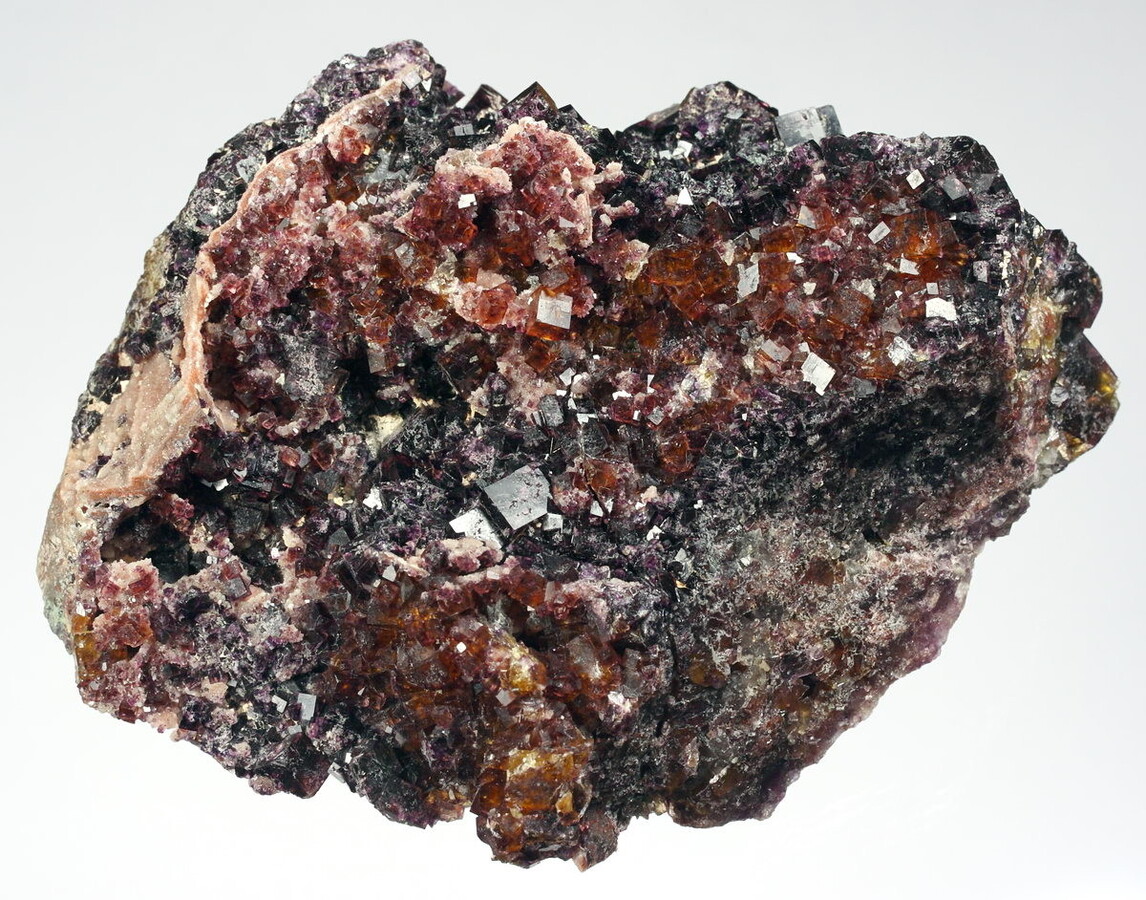
13. May - Micromount-Umlauf: Mineralien aus Pakistan
17. May - Gera, Museum für Naturkunde: Ausstellungseröffnung
21. May - 29. Internationale Jahrestagung GeoTop der Fachsektion Geoto
06. June - GERA: „Mineralientreff im Juni“
07. June - 4. Fest der edlen Steine im Rittergut Trebsen/Sachsen
13. June - Mineralienbörse in Knittelfeld
14. June - Mineralienbörse im Findlingspark Nochten
21. June - Mineralienbörse
17. May - Gera, Museum für Naturkunde: Ausstellungseröffnung
21. May - 29. Internationale Jahrestagung GeoTop der Fachsektion Geoto
06. June - GERA: „Mineralientreff im Juni“
07. June - 4. Fest der edlen Steine im Rittergut Trebsen/Sachsen
13. June - Mineralienbörse in Knittelfeld
14. June - Mineralienbörse im Findlingspark Nochten
21. June - Mineralienbörse
 Imprint
 Data protection clause
 Our team

To complete our information constantly, we need your support. With us, everyone can and should participate. Currently Mineralienatlas is used and expanded by 10586 members. Every month hundreds of thousands of visitors use our website as an information source.

| On the site of Sos Enattos mine exploitation in shafts and tunnels is known since the Roman times. In 1960, with the exploitation of the deposit, these tracks have been permanently deleted. Initially, it was operated in the mining of silver and galena and only in modern times to sphalerite... (Wri ... moreOn the site of Sos Enattos mine exploitation in shafts and tunnels is known since the Roman times. In 1960, with the exploitation of the deposit, these tracks have been permanently deleted. Initially, it was operated in the mining of silver and galena and only in modern times to sphalerite... (Written in german) |
| Das Mineral Zirkon ist als Schmuckstein bereits seit der Antike bekannt. Schon im Altertum war der Zirkon als Edelstein bekannt und wurde an einigen der weltweit ältesten archäologischen Ausgrabungsstätten gefunden. Er taucht in verschiedenen alten Schriften auf, darunter in der Bibel und einem Hind ... moreDas Mineral Zirkon ist als Schmuckstein bereits seit der Antike bekannt. Schon im Altertum war der Zirkon als Edelstein bekannt und wurde an einigen der weltweit ältesten archäologischen Ausgrabungsstätten gefunden. Er taucht in verschiedenen alten Schriften auf, darunter in der Bibel und einem Hindu-Gedicht über den mythischen Kalpa-Baum (Kamana Kalpa Vraksha), der mit Blättern aus Zirkon geschmückt gewesen sein soll. Einige Quellen erwähnen eine jüdische Legende, in der ein Engel namens „Zirkon“ vorkommt, der ... Ein Beitrag von Peter Seroka |
| Im Bereich des gesamten Grubengeländes hat sich, wie in anderen Grubenbezirken auch, eine eigene Flora gebildet. Nach Überlieferungen haben die "Alten" bei der Suche nach Erzen auf diese Zeichen der Natur geachtet. Gerade bei Antimonerzen ist diese eigene Flora sehr ausgebildet. Antimon weist unter ... moreIm Bereich des gesamten Grubengeländes hat sich, wie in anderen Grubenbezirken auch, eine eigene Flora gebildet. Nach Überlieferungen haben die "Alten" bei der Suche nach Erzen auf diese Zeichen der Natur geachtet. Gerade bei Antimonerzen ist diese eigene Flora sehr ausgebildet. Antimon weist unter den Elementen eine hohe Mobilität auf und wird, wenn es in löslicher Form vorliegt, von Pflanzen leicht aufgenommen. Die Konzentrationen in Pflanzen können 7-50 mg/kg TS betragen. |