

 Homepage
  Calendar
  Collector's characteristics
  History of Mineralienatlas
  Howto sponsor
  Our sponsores
  Search term inside Encyclopedia
  Full-text search
  Mineral by property
  Mineral by chemistry
  Help and how it works
  Mining
  Localities
  Geology (Rocks)
  Mineralogy (Minerals)
  Palaeontoloy (Fossils)
  Literature and Books
  Equipment and tools
  Portraits
  Encyclopedia pathes
  Media gallery
  Image reel
  User image galleries
  Images of the day
  Best of Images
  Newest forum contributions






13. May - Micromount-Umlauf: Mineralien aus Pakistan
17. May - Gera, Museum für Naturkunde: Ausstellungseröffnung
21. May - 29. Internationale Jahrestagung GeoTop der Fachsektion Geoto
06. June - GERA: „Mineralientreff im Juni“
07. June - 4. Fest der edlen Steine im Rittergut Trebsen/Sachsen
13. June - Mineralienbörse in Knittelfeld
14. June - Mineralienbörse im Findlingspark Nochten
21. June - Mineralienbörse
17. May - Gera, Museum für Naturkunde: Ausstellungseröffnung
21. May - 29. Internationale Jahrestagung GeoTop der Fachsektion Geoto
06. June - GERA: „Mineralientreff im Juni“
07. June - 4. Fest der edlen Steine im Rittergut Trebsen/Sachsen
13. June - Mineralienbörse in Knittelfeld
14. June - Mineralienbörse im Findlingspark Nochten
21. June - Mineralienbörse
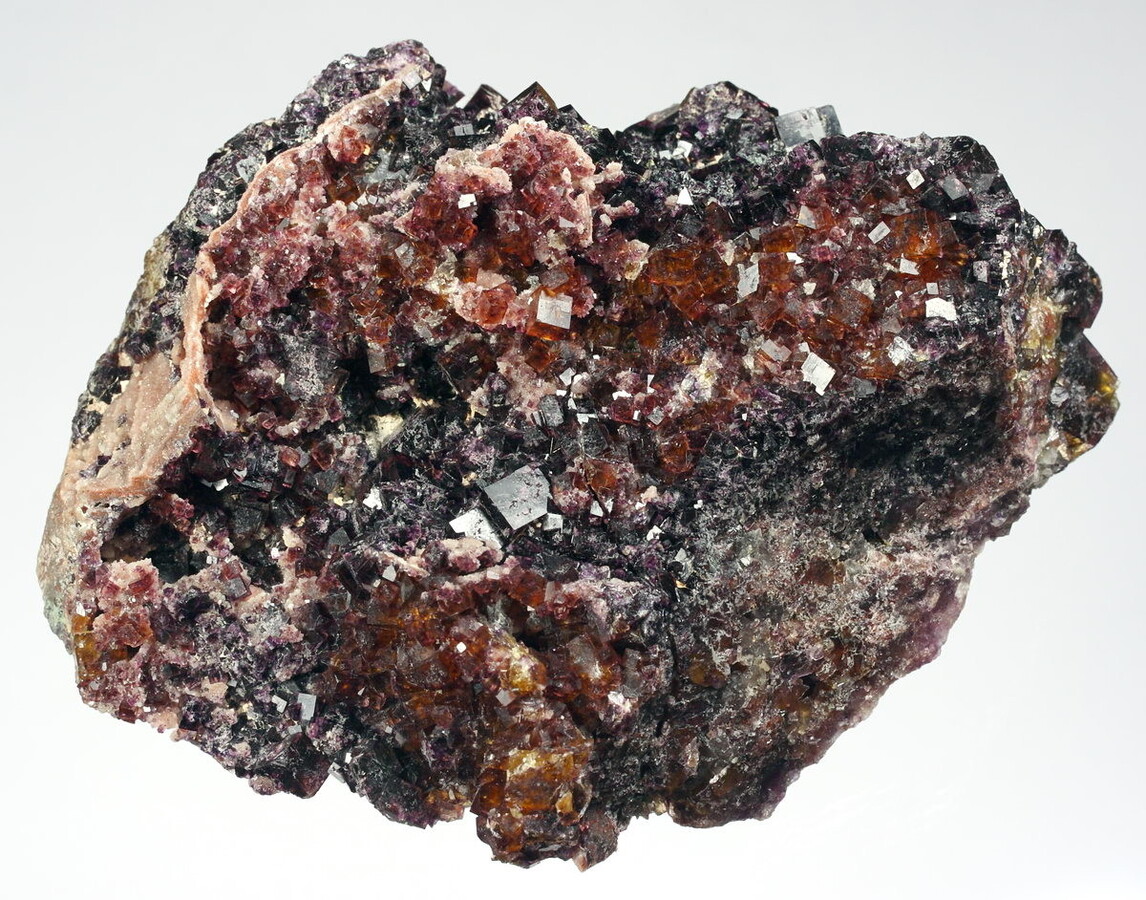
13. May - Micromount-Umlauf: Mineralien aus Pakistan
17. May - Gera, Museum für Naturkunde: Ausstellungseröffnung
21. May - 29. Internationale Jahrestagung GeoTop der Fachsektion Geoto
06. June - GERA: „Mineralientreff im Juni“
07. June - 4. Fest der edlen Steine im Rittergut Trebsen/Sachsen
13. June - Mineralienbörse in Knittelfeld
14. June - Mineralienbörse im Findlingspark Nochten
21. June - Mineralienbörse
17. May - Gera, Museum für Naturkunde: Ausstellungseröffnung
21. May - 29. Internationale Jahrestagung GeoTop der Fachsektion Geoto
06. June - GERA: „Mineralientreff im Juni“
07. June - 4. Fest der edlen Steine im Rittergut Trebsen/Sachsen
13. June - Mineralienbörse in Knittelfeld
14. June - Mineralienbörse im Findlingspark Nochten
21. June - Mineralienbörse
 Imprint
 Data protection clause
 Our team

To complete our information constantly, we need your support. With us, everyone can and should participate. Currently Mineralienatlas is used and expanded by 10586 members. Every month hundreds of thousands of visitors use our website as an information source.

| ... Die Nutzung der Zinkerze der Lagerstätte Altenberg ist seit 1344 belegt. Dort wurde Galmei abgebaut, welches schon vor der Erfindung der Direktverhüttung von Zinkerzen die Messingherstellung ermöglichte. Die hier betrachtete Lagerstätte Altenberg kann allerdings, im Gegensatz zur benachbarten La ... more... Die Nutzung der Zinkerze der Lagerstätte Altenberg ist seit 1344 belegt. Dort wurde Galmei abgebaut, welches schon vor der Erfindung der Direktverhüttung von Zinkerzen die Messingherstellung ermöglichte. Die hier betrachtete Lagerstätte Altenberg kann allerdings, im Gegensatz zur benachbarten Lagerstätte Gessenich (römisch: Grasciniacum) im Stolberger Raum, nicht bis in die Römerzeit zurück verfolgt werden. Auf den aktuellen topografischen Karten (z.B. Top25 Deutschland, Blatt 5202 Aachen) ist der Altenberg nicht mehr zu finden... ein Beitrag von Norbert Kirchhoff |
| ... Over time, rocks weather due to the influence of wind, water, ice, and daily and seasonal temperature differences. These weathering products form then short the pedosphere (the ground), go into solution in water (chemistry), are transported as dust, and similar processes. Long term, but they rea ... more... Over time, rocks weather due to the influence of wind, water, ice, and daily and seasonal temperature differences. These weathering products form then short the pedosphere (the ground), go into solution in water (chemistry), are transported as dust, and similar processes. Long term, but they rearrange stable, lithify and form sedimentary rocks, are transported into the deep, and after transformation (metamorphosis) reveal pushed back ... An article by Peter Seroka, written in German |
| ... Man glüht in der rauschenden Flamme eines Bunsenbrenners ein Magnesiastäbchen bis zur Rotglut aus. Mit dem heißen Magnesiastäbchen wird eine kleine Menge Borax oder Phosphorsalz aufgenommen und vorsichtig in die Brennerflamme gebracht. Unter ständigen Drehen wird das Salz so lange in der Brenner ... more... Man glüht in der rauschenden Flamme eines Bunsenbrenners ein Magnesiastäbchen bis zur Rotglut aus. Mit dem heißen Magnesiastäbchen wird eine kleine Menge Borax oder Phosphorsalz aufgenommen und vorsichtig in die Brennerflamme gebracht. Unter ständigen Drehen wird das Salz so lange in der Brennerflamme gedreht, bis eine klare Perle entstanden ist. Dieser Vorgang wird so lange wiederholt, bis eine Perle von ca. 4 -5 mm entstanden ist ... ein Beitrag von Andreas B. |